Staff Reporter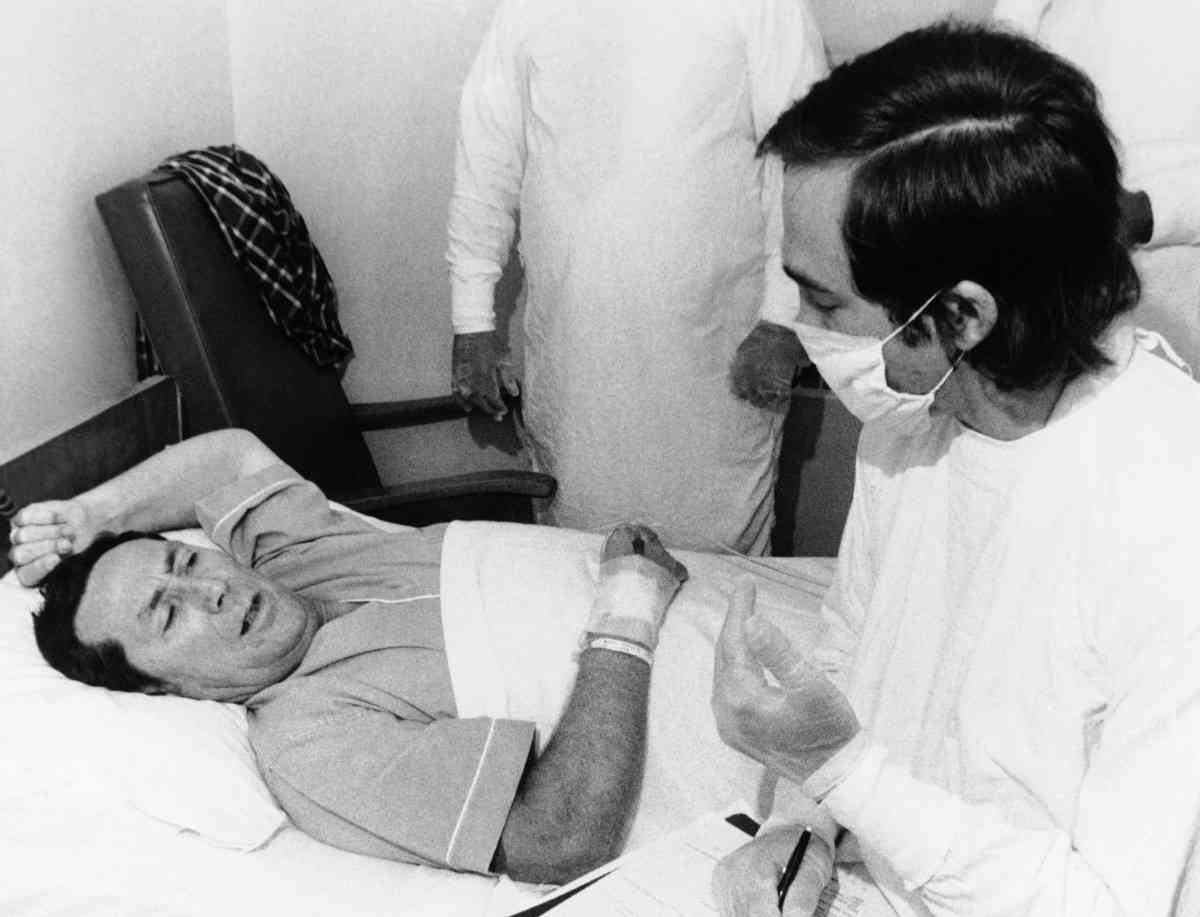
New York City recently witnessed a troubling outbreak of Legionnaires’ disease in Central Harlem, with more than a hundred cases reported. The outbreak, though now declared over, is a reminder that nearly five decades after the mysterious illness first surfaced in Philadelphia, the threat remains very real. Public health experts warn that while the bacteria itself has not grown more lethal, human vulnerability has increased due to climate change, poor air quality, and rising chronic health conditions.
STORY HIGHLIGHTS:
-
NYC Outbreak: 114 cases, 90 hospitalizations, 7 deaths in Central Harlem
-
Cause: Legionella pneumophila detected in cooling towers
-
Historic Roots: First outbreak linked to Philadelphia in 1976
-
Rising Risks: Climate change, air pollution, chronic illness increase vulnerability
-
Prevention: Routine monitoring of water systems remains essential
A Warning from New York City
The recent outbreak of Legionnaires’ disease in Central Harlem raised alarms across the city. Health officials confirmed 114 cases, with 90 people requiring hospitalization and seven fatalities reported. The culprit was traced to Legionella pneumophila, a bacteria discovered in air conditioning cooling towers at a hospital and a nearby construction site.
The outbreak has officially been declared over, but experts say this is not the end of the story.
According to Dr. René Najera, director of public health at the College of Physicians of Philadelphia:
“We have dirtier air, we have a warming climate, we have people with chronic conditions. And in a warming climate, that leads to more air conditioning, which leads to more exposures.”
He explained that this cycle doesn’t just apply to Legionnaires’ disease, but also creates fertile ground for other bacteria and viruses to spread more widely.

A Look Back: Philadelphia, 1976
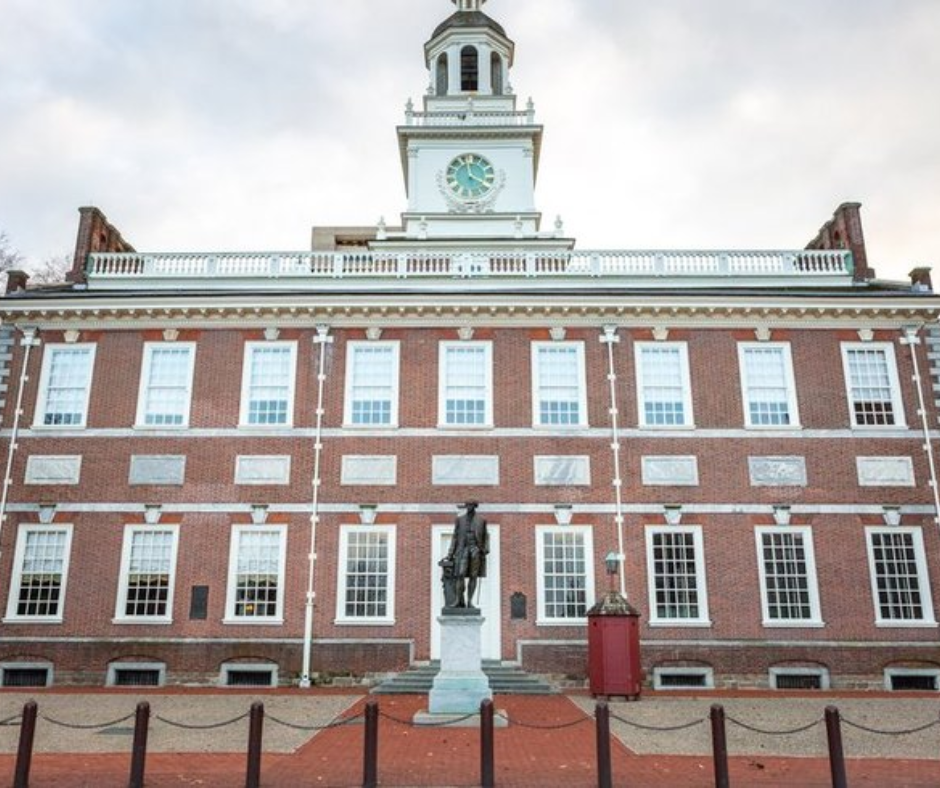
The world first heard of Legionnaires’ disease nearly fifty years ago, in Philadelphia during the summer of 1976. The city was buzzing with bicentennial celebrations, marking 200 years since the signing of the Declaration of Independence. Among the festivities was a major convention of the American Legion, where nearly 2,000 Pennsylvania veterans gathered at the Bellevue-Stratford Hotel.
Within days, some attendees developed pneumonia-like symptoms. Many grew critically ill, and fatalities followed quickly.
One victim’s story, recalled later by Najera, highlights how swiftly the disease struck:
“Her father came back on Friday from the convention and by Sunday, he was in the hospital. By Monday or Tuesday, he was dead.”
By mid-August, the toll had reached 29 deaths and over 200 hospitalizations. The mysterious illness baffled health authorities and created widespread panic.

A City on Edge
Philadelphia, normally crowded with tourists that summer, emptied almost overnight.
Dr. Robert Sharrar, then head of Philadelphia’s communicable disease program, described the atmosphere:
“Eventually, people just stopped coming to Philadelphia. There were no lines at the Liberty Bell in August. There was still the unknown, scary phenomenon.”
The media named the illness after its victims: members of the American Legion. At first, many veterans resisted the association. But over time, they accepted the term Legionnaires’ disease, which would forever link their convention to the medical mystery.
Discovery of Legionella pneumophila
For months, scientists and the CDC searched for answers. Finally, in January 1977, blood samples from victims revealed the source: Legionella pneumophila.
This common waterborne bacteria thrives in warm environments—showers, plumbing systems, cooling towers—becoming dangerous only when water is aerosolized and inhaled into the lungs.
Sharrar recalled:
“Once the organism was isolated, by then, the name had been firmly attached. It was only logical to call it Legionella pneumophila.”
Doctors soon discovered that certain antibiotics were effective, and prevention efforts began focusing on monitoring water systems.

Why Cases Are Rising Today
Modern outbreaks of Legionnaires’ disease continue to occur, with New York’s Central Harlem incident being the most recent. Public health agencies now regularly inspect cooling towers and plumbing systems to prevent bacterial growth.
Yet, pinpointing the exact source in outbreaks is still complex. According to Najera, two main factors explain the rise in reported cases:
-
Improved testing – Many cases that once went undetected are now properly diagnosed.
-
Greater vulnerability – More people today live with asthma, COPD, emphysema, and other conditions that increase susceptibility to severe infection.
Looking Ahead: Prevention and Awareness
Health experts emphasize that Legionnaires’ disease is not transmitted person to person. It spreads only when contaminated water becomes aerosolized. That means prevention depends on strict monitoring of cooling towers, plumbing systems, and construction sites where water systems can harbor bacteria.
To mark the upcoming 50th anniversary of the Philadelphia outbreak, the Mütter Museum at the College of Physicians of Philadelphia will open a new exhibit in 2026. The display will honor victims, survivors, and the public health scientists who uncovered the mystery of Legionnaires’ disease.
Nearly five decades after its discovery, Legionnaires’ disease remains a recurring public health challenge in urban centers like New York City. With climate change, rising air pollution, and chronic health conditions making populations more susceptible, experts warn that vigilance is key.
Routine monitoring of cooling towers and plumbing systems, combined with greater public awareness, remain the strongest defenses against a disease that first shocked Philadelphia in 1976 and continues to resurface today.
Appreciating your time:
We appreciate you taking the time to read our most recent article! We appreciate your opinions and would be delighted to hear them. We value your opinions as we work hard to make improvements and deliver material that you find interesting.
Post a Comment:
In the space provided for comments below, please share your ideas, opinions, and suggestions. We can better understand your interests thanks to your input, which also guarantees that the material we offer will appeal to you. Get in Direct Contact with Us: Please use our “Contact Us” form if you would like to speak with us or if you have any special questions. We are open to questions, collaborations, and, of course, criticism. To fill out our contact form, click this link.
Stay Connected:
Don’t miss out on future updates and articles.