Staff Reporter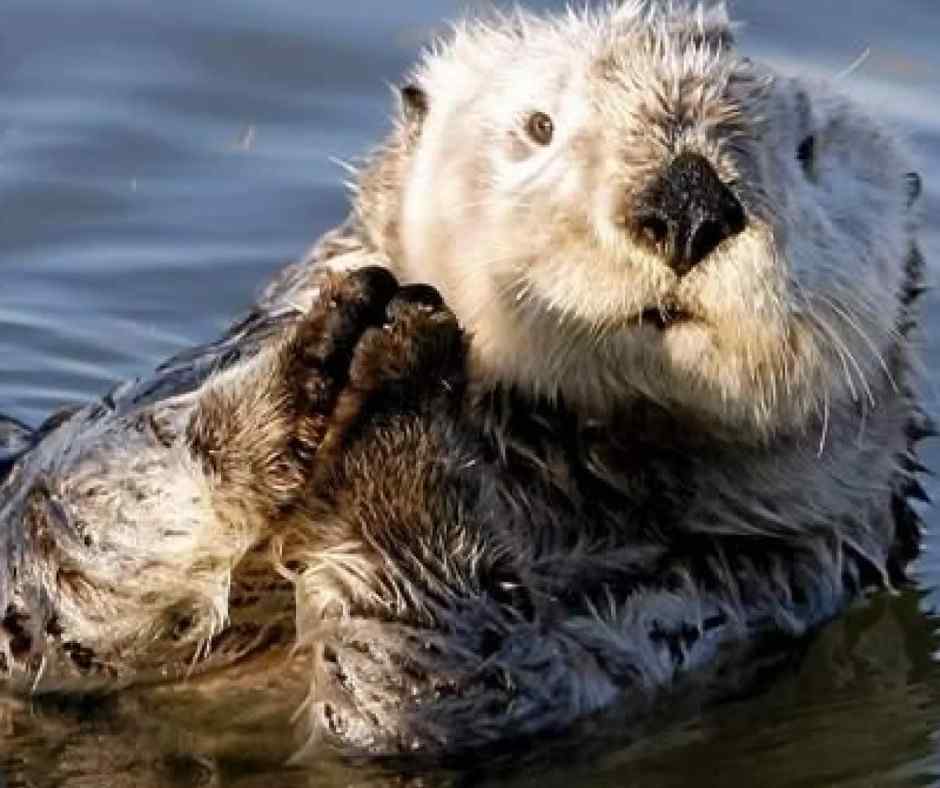
Sea otters, once abundant along the Pacific coastline, are slowly reclaiming their role as critical ecosystem engineers. But the survival of California’s sea otters now depends less on Washington, D.C., and more on Silicon Valley donors and conservation groups stepping into a widening funding gap.
Story Highlights
- California has only about 3,000 sea otters left.
- Sea otters help kelp forests resist climate change by eating invasive species.
- A federal restoration roadmap estimated $43 million in costs.
- The Trump administration has cut wildlife and green energy programs.
- The Sea Otter Fund, launched in San Francisco, is mobilizing private donors.
- Jane Goodall supported otter conservation shortly before her passing at age 91.
- Experts warn conservation will increasingly depend on private financing.
Sea Otters as Ecosystem Engineers
Spend time in Monterey Bay and sea otters might appear plentiful. Surfers in Santa Cruz often spot them drifting nearby, nibbling clams. Kayakers in Elkhorn Slough find it difficult to avoid them because the estuary hosts dozens at a time.
Yet the reality is stark: California has only about 3,000 sea otters. Their role is far greater than their numbers suggest. By consuming destructive species like green crabs and purple urchins, sea otters protect kelp forests—vital underwater carbon sinks that slow the pace of climate change.
Julie Packard, executive director of the Monterey Bay Aquarium, highlighted their importance at a Carmel event earlier this year:
“We like to call otters ecosystem engineers, not just cute furry faces, because they have quite a remarkable impact.”

Federal Roadmap, but Shrinking Funds
In 2022, the U.S. Fish and Wildlife Service confirmed that restoring sea otters to California’s North Coast and Oregon could significantly strengthen biodiversity and climate resilience. The agency laid out a roadmap for reintroduction, estimating costs at up to $43 million.
But that plan has collided with federal cuts. The Trump administration is slashing wildlife program budgets, leaving critical gaps in conservation financing.
Private Donors Step In
Into that void steps the Sea Otter Fund, launched in April by the Wildlife Conservation Network, a nonprofit based in San Francisco. The fund’s mission is to raise tens of millions of dollars from private sources to finance the complicated, long-term project of reconnecting isolated otter populations along the Pacific coast.
Paul Thomson, chief programs officer of the nonprofit, explained the urgency:
“We are coming in at a time when we’ve seen these dramatic cuts from the federal government and conservationists are facing major funding gaps.”

Jane Goodall’s Endorsement
The Carmel event drew more than 700 attendees, including actor Clint Eastwood and leading marine researchers. The highlight was an appearance by Jane Goodall, who passed away this week at age 91 while on a speaking tour in Los Angeles.
On stage, sipping a glass of whiskey, Goodall shared her first encounter with sea otters in Big Sur during the 1960s. Just days before, she had returned to Elkhorn Slough to see a tagged otter named after her.
“We’re going through very dark times politically, socially, environmentally, and we need to get together,” she said.
Her words underscored the link between conservation, climate, and the collective effort required to safeguard biodiversity.

A Turning Point for Sea Otter Conservation
The Sea Otter Fund is already directing money into research, a prerequisite for reintroduction. Jen Miller, who left the U.S. Fish and Wildlife Service in August to lead the fund, described the momentum:
“It feels like this wave has been building and building and with just the right resources could crest to surf sea otter restoration to success.”
For California’s sea otters, success could mean reconnecting fragmented populations and restoring them to their historic range across the Pacific Rim.
A Wider Pattern of Cuts
The cuts affecting sea otters are part of a larger trend. The Trump administration recently canceled billions of dollars set aside for hydrogen projects in California and the Pacific Northwest—part of $8 billion in green energy reductions.
The Arctic Research Consortium of the United States, which operated for nearly four decades, shut down this year after losing access to National Science Foundation funding. At the same time, reports suggest the Department of Energy is discouraging staff from using words like “green,” “climate change,” and “energy transition.”
While the Department of Energy denied banning such language, the controversy highlights the political pressure on climate-related programs.

The Road Ahead for California’s Sea Otters
As federal support recedes, the responsibility for sea otter conservation may increasingly shift to philanthropists, nonprofits, and local communities. Sea otters are more than charismatic marine mammals—they are key players in sustaining California’s coastal ecosystems.
The success of the Sea Otter Fund could determine whether these endangered animals continue their slow comeback or face another decline. For now, the survival of California’s sea otters may rest on private action rather than public policy.
Appreciating your time:
We appreciate you taking the time to read our most recent article! We appreciate your opinions and would be delighted to hear them. We value your opinions as we work hard to make improvements and deliver material that you find interesting.
Post a Comment:
In the space provided for comments below, please share your ideas, opinions, and suggestions. We can better understand your interests thanks to your input, which also guarantees that the material we offer will appeal to you. Get in Direct Contact with Us: Please use our “Contact Us” form if you would like to speak with us or if you have any special questions. We are open to questions, collaborations, and, of course, criticism. To fill out our contact form, click this link.
Stay Connected:
Don’t miss out on future updates and articles.