Tag Archives: Hollywood glamour

Women

Glamour, Curves, and Control: Women Through a Patriarchal Lens

Beauty has always been more than skin deep—it’s a reflection of society, politics, and culture. In America, the definition of what is “beautiful” has constantly shifted from 1900 to 2025, yet one constant remains: patriarchy’s invisible hand shaping women’s bodies, faces, and even behavior. 💃💔 Every decade tells a story of control, expectation, and rebellion—where women navigated societal pressures while sometimes redefining them. Let’s take a revealing ride through time to explore how beauty standards evolved and how women both succumbed to and resisted the male gaze. 👀

1900s–1920s: The Corset Era 🕰️👗

At the dawn of the 20th century, American women were expected to be delicate, modest, and above all, pleasing to men. The ideal hourglass figure demanded tight corsets that cinched waists and exaggerated hips and busts. 😣

  • Fashion & media: Publications like Godey’s Lady’s Book glorified soft femininity, pale skin, and perfect posture, presenting women as ornamental yet virtuous.

  • Patriarchy in action: Corsets weren’t just fashion—they were instruments of social control. Women’s bodies were literally molded to conform to male-approved ideals of submission and decorum.

💡 Critical insight: The extreme physical discomfort of corsets symbolizes how beauty was weaponized to reinforce gender hierarchies. Fainting spells were a common consequence—beauty demanded endurance.

1930s–1950s: Hollywood Glam & Domestic Queens 🎬🍰

Hollywood transformed beauty into spectacle. Stars like Jean Harlow and Marilyn Monroe defined curves as seductive yet approachable, embodying the dual expectations of glamour and innocence. 😍

  • Advertising boom: Cosmetics, hair products, and fashionable attire were marketed as tools for attracting male attention.

  • Patriarchal messaging: Even as women gained visibility on screen, their worth remained tied to charm, decorum, and domestic appeal.

Critical reflection: The “blonde bombshell” trope highlighted the commodification of female sexuality. Patriarchy masked objectification as glamour, blending desirability with societal safety nets.

1960s–1970s: Twiggy, Rebellion & Slimness 🍃👠

The swinging sixties brought youth culture, civil rights, and feminism into the limelight. Twiggy’s waif-like frame epitomized a shift from curves to androgynous thinness.

  • Beauty trends: Slim, boyish silhouettes, bold eye makeup, and mod fashion dominated.

  • Patriarchy lurking: Despite sexual liberation, female bodies were still evaluated through male-defined lenses. Slimness became symbolic of control over femininity.

💄 Critical insight: Dieting and body obsession escalated, illustrating patriarchy’s subtle adaptation—redefining freedom while maintaining male-centric ideals of attractiveness.

1980s–1990s: Power, Fitness & Supermodels 💪👙

Supermodels like Cindy Crawford and Naomi Campbell projected strength, confidence, and global glamour. Fitness and fashion converged to define an aspirational yet demanding ideal.

  • Media influence: Advertisements celebrated flawless skin, toned bodies, and polished appearances.

  • Patriarchal persistence: Empowerment came with strict visual criteria. Women were expected to balance career ambitions with societal standards of allure and femininity.

Critical reflection: Fitness culture promised liberation but maintained male gaze standards. Aerobics fashion reinforced the idea that self-expression was valid only if it adhered to visual perfection.

2000s–2010s: Social Media & the Cosmetic Craze 📱💋

Platforms like Instagram, YouTube, and TikTok transformed beauty into an interactive performance. Filters, editing apps, and cosmetic enhancements normalized unattainable perfection.

  • Globalized ideals: Eurocentric features dominated: high cheekbones, narrow noses, and lighter skin tones became global aspirational standards.

  • Patriarchal overlay: Social validation—likes, shares, and comments—reintroduced male gaze dynamics digitally, where appearance quantified worth.

💡 Critical insight: The “Instagram face” phenomenon demonstrates how technology reinforced centuries-old beauty hierarchies while claiming to democratize self-expression.

2020–2025: Diversity, Self-Love & Real Talk ✊🌈

Today’s beauty standards are paradoxical. Movements like #BodyPositivity, #SkinPositivity, and #SelfLove celebrate natural hair, curves, and aging gracefully. Yet, social pressures persist, subtly influenced by digital trends and lingering patriarchal expectations.

  • Trendy shifts: Inclusive campaigns, viral tutorials, and TikTok discussions are reshaping the narrative.

  • Patriarchy’s remix: The male gaze hasn’t vanished; it’s evolved, now paired with algorithmic reinforcement and social approval metrics.

Critical reflection: Modern beauty is a battleground of empowerment versus expectation. Makeup, fashion, and skincare have become tools of self-expression, rebellion, and reclamation rather than submission.

 The Long Road Ahead 🛤️💖

From corsets to contouring, American beauty standards expose a century of patriarchal influence. Women were molded, marketed, and measured to satisfy societal expectations. 💪💄 Today, however, movements challenging these norms reclaim the narrative. Every curve, freckle, and natural hair strand symbolizes resistance, autonomy, and authentic self-expression.

💡 Critical takeaway: Beauty will always evolve, but now, women are defining it—not society. The century-long tug-of-war between expectation and empowerment continues, and 2025 marks a moment where self-expression takes the center stage. 🌟

From tight corsets to contouring kits, American beauty standards have shifted dramatically over the past century—but one thing has stayed clear: patriarchy has always influenced how women look, act, and are perceived. 💃💔 While women were once confined to rigid ideals, today’s movements—#BodyPositivity, #SelfLove, and #NaturalBeauty—are rewriting the rules. Every curve, freckle, and strand of natural hair now tells a story of empowerment, rebellion, and self-expression. 💪💄

Appreciating your time:

We appreciate you taking the time to read our most recent article! We appreciate your opinions and would be delighted to hear them. We value your opinions as we work hard to make improvements and deliver material that you find interesting.

Post a Comment:

In the space provided for comments below, please share your ideas, opinions, and suggestions. We can better understand your interests thanks to your input, which also guarantees that the material we offer will appeal to you. Get in Direct Contact with Us: Please use our “Contact Us” form if you would like to speak with us or if you have any special questions. We are open to questions, collaborations, and, of course, criticism. To fill out our contact form, click this link.

Stay Connected:

Don’t miss out on future updates and articles.

From Corsets to Crocs: How American Fashion Danced Through 125 Years 👗👟🕺

Fashion isn’t just clothing—it’s a time machine 🕰️. It tells stories about culture, society, and even politics. From the prim and proper outfits of the 1900s to TikTok-inspired streetwear of 2025, Americans have always used fashion to express themselves. Let’s take a fun stroll through over a century of style, trends, and outrageous experiments that made American fashion what it is today! 🎉

1900s–1910s: The Era of Elegance and High Society 👒✨

At the dawn of the 20th century, fashion was all about structure, elegance, and rules. Women were rarely seen without corsets, high-neck blouses, and long skirts. Hats were huge and elaborate, often adorned with feathers or flowers. Men wore three-piece suits with stiff collars and bowler hats. Think of this period as “formality is everything”.

  • Women’s style: Corsets, layered skirts, gloves, and big hats. 🎀

  • Men’s style: Tailored suits, pocket watches, and polished shoes. ⌚👞

  • Fashion mood: Refined, rigid, and proper.

1920s: Flappers, Freedom & Jazz Vibes 🎷💃

The roaring twenties brought rebellion and freedom. Women tossed away restrictive corsets for flapper dresses with shorter hemlines and loose fits, perfect for dancing to jazz. Bobbed haircuts became trendy, symbolizing liberation and modernity. Men moved toward slimmer suits and softer fabrics.

  • Iconic trend: Flapper dresses with fringe, pearls, and cloche hats. 🎩

  • Cultural influence: Jazz music, speakeasies, and the birth of nightlife fashion. 🥂

  • Mood: Playful, bold, and unapologetically modern.

1930s–1940s: Hollywood Glam & Wartime Practicality 🎬✈️

The Great Depression and WWII made fashion practical yet glamorous. Women sought affordable fabrics, shorter skirts, and simple silhouettes. But Hollywood kept the glitz alive—think flowing gowns and glamorous evening wear.

  • War impact: Rationing led to simpler styles, fewer embellishments, and functional clothing. 🪡

  • Men’s wear: Military influence brought sturdy fabrics and practical tailoring. 🎖️

  • Fashion mood: Balanced between elegance and necessity.

1950s: Post-War Glamour & Suburban Style 🏡👗

After WWII, Americans wanted optimism and sophistication. Women flaunted cinched waists and full skirts, thanks to Dior’s “New Look.” Men adopted casual leisure wear—polo shirts, khakis, and sports jackets. Teen culture also emerged, influencing trends with leather jackets and rock ‘n’ roll style.

  • Iconic looks: Poodle skirts, saddle shoes, and tailored suits. 🕴️

  • Mood: Cheerful, feminine, and aspirational.

1960s–1970s: Rebellion & Counterculture ✌️🎸

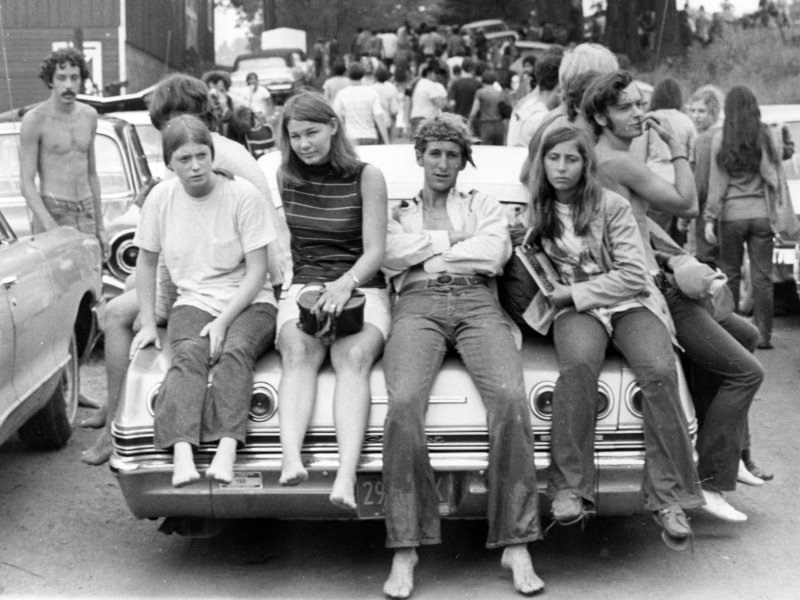
Society was changing fast—civil rights movements, anti-war protests, and cultural revolutions influenced fashion. Miniskirts, tie-dye, bell-bottoms, and psychedelic prints became statements of rebellion. Denim became mainstream, and music icons like The Beatles and Jimi Hendrix set trends.

  • Hippie vibes: Loose, flowing clothes and earthy tones 🌻

  • Men: Bright shirts, bell-bottom jeans, and platform shoes. 👖👞

  • Mood: Bold, free-spirited, and anti-establishment.

1980s: Neon, Shoulder Pads & Big Hair 💥💃

The 1980s were unapologetically loud. Fashion screamed excess and power. Women embraced power suits with shoulder pads, and men sported bold colors. Fitness culture boomed—think leg warmers, spandex, and headbands. Everyone wanted to be a star, even if it meant wearing fluorescent everything!

  • Signature pieces: Neon outfits, leather jackets, parachute pants. 🎨

  • Pop culture influence: Madonna, Michael Jackson, and MTV. 📺

  • Mood: Flashy, confident, and over-the-top.

1990s: Grunge, Hip-Hop & Minimalism 🎧🖤

A rebellion against 1980s extravagance, the 1990s embraced grunge and casual cool. Plaid flannels, ripped jeans, oversized tees, and combat boots dominated. Hip-hop culture introduced baggy pants, tracksuits, and sneakers as everyday wear. Minimalism also emerged—think clean lines, neutral colors, and simple chic.

  • Iconic brands: Tommy Hilfiger, Ralph Lauren, and Air Jordans 👟

  • Mood: Laid-back, edgy, and street-smart.

2000s: Pop Culture & Fast Fashion Explosion 🌐👚

The early 2000s were influenced by celebrities and globalization. Denim skirts, cargo pants, crop tops, and branded logos were everywhere. Fast fashion made runway styles accessible to everyone. Reality TV stars and pop idols dictated trends, and fashion became more experimental and playful.

  • Iconic pieces: Rhinestone-studded everything, Juicy Couture tracksuits. ✨

  • Mood: Fun, flashy, and brand-conscious.

2010s: Athleisure & Eco-Conscious Choices 🏋️‍♀️🌿

Comfort became king. Athleisure—a blend of sportswear and casual wear—ruled the streets. Leggings, hoodies, sneakers, and even sports bras as outerwear became mainstream. Sustainable fashion and vintage revivals gained popularity as Millennials and Gen Z demanded eco-friendly, ethical clothing.

  • Mood: Comfortable, practical, yet stylish.

  • Key trends: Sneakers as fashion statements, thrifted/vintage outfits, minimalist designs. 👟♻️

2020–2025: Digital Fashion & Personalized Style 🤖👗

The last few years have completely redefined fashion. Social media, TikTok trends, and AI-driven designs create hyper-personalized looks. Gender-neutral clothing, digital fashion, and adaptive wear are growing rapidly. Fashion isn’t just wearable anymore—it’s interactive, sustainable, and virtual.

  • Micro-trends: Cottagecore, E-girl/E-boy aesthetics, and NFT-inspired digital fashion. 🌸🖤

  • Technology: AI fashion assistants, AR try-ons, and 3D-printed clothing. 🖥️👕

  • Mood: Innovative, expressive, and boundary-breaking.

From corsets to Crocs, American fashion has danced through over a century of cultural revolutions, technological innovations, and personal expression. Each decade tells a story of rebellion, freedom, glamour, and comfort. As we move further into the 21st century, one thing is clear—fashion will always be about telling your story, loud and proud. 🕺💃

Appreciating your time:

We appreciate you taking the time to read our most recent article! We appreciate your opinions and would be delighted to hear them. We value your opinions as we work hard to make improvements and deliver material that you find interesting.

Post a Comment:

In the space provided for comments below, please share your ideas, opinions, and suggestions. We can better understand your interests thanks to your input, which also guarantees that the material we offer will appeal to you. Get in Direct Contact with Us: Please use our “Contact Us” form if you would like to speak with us or if you have any special questions. We are open to questions, collaborations, and, of course, criticism. To fill out our contact form, click this link.

Stay Connected:

Don’t miss out on future updates and articles.