Staff Reporter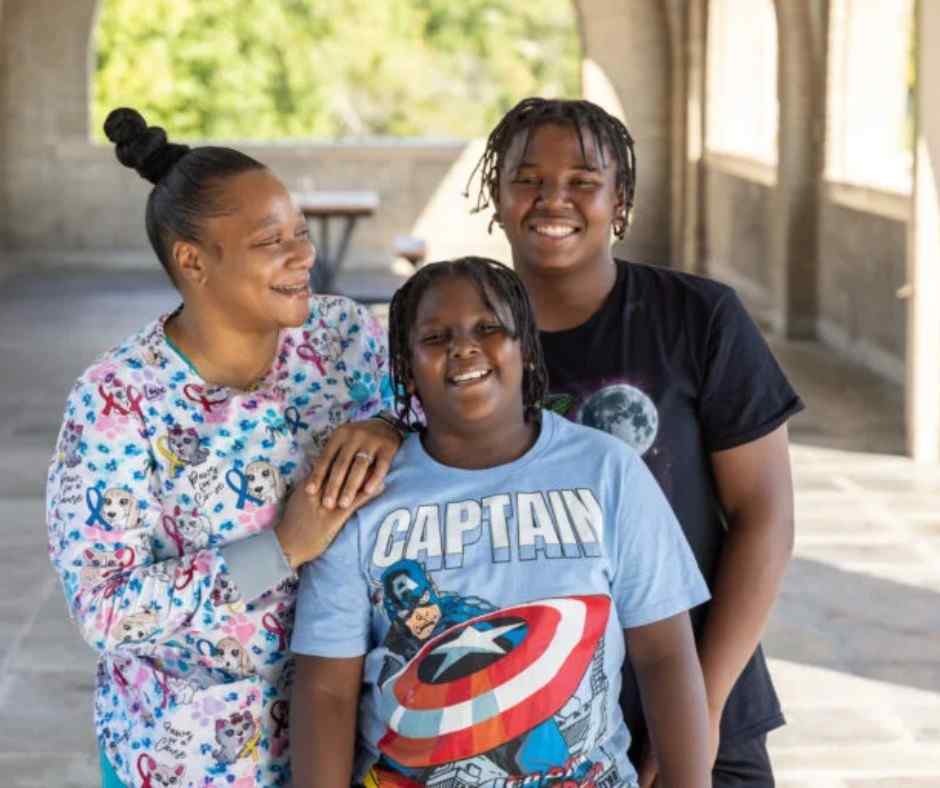
A new study highlights the significant impact of the Philadelphia housing program PHLHousing+, a pilot project launched in 2022 that provides direct monthly cash assistance to low-income renters. Researchers say the results are not only dramatic but could also serve as a model for cities nationwide grappling with affordable housing crises.
📌 Story Highlights
-
PHLHousing+ pilot launched in 2022 with $10.8 million in public and private funding
-
Families receive monthly cash assistance through prepaid debit cards
-
Payments designed to cap housing costs at 30% of income
-
Study shows a 75% reduction in evictions and forced moves among participants
-
Homelessness rates cut by half compared to households without aid
-
Pilot runs until June 2026, future expansion still undecided
A Different Approach to Housing Assistance
Unlike traditional housing vouchers, which require families to find landlords willing to accept subsidies, the Philadelphia housing program PHLHousing+ takes a simpler approach: direct cash transfers. Each month, families receive a payment — loaded onto a prepaid debit card — to ensure they spend no more than 30% of their income on housing costs.
The key distinction is that the money is unconditional and unrestricted, giving households flexibility. They can use the funds to pay rent or cover other expenses tied to housing stability, such as utilities or moving costs.
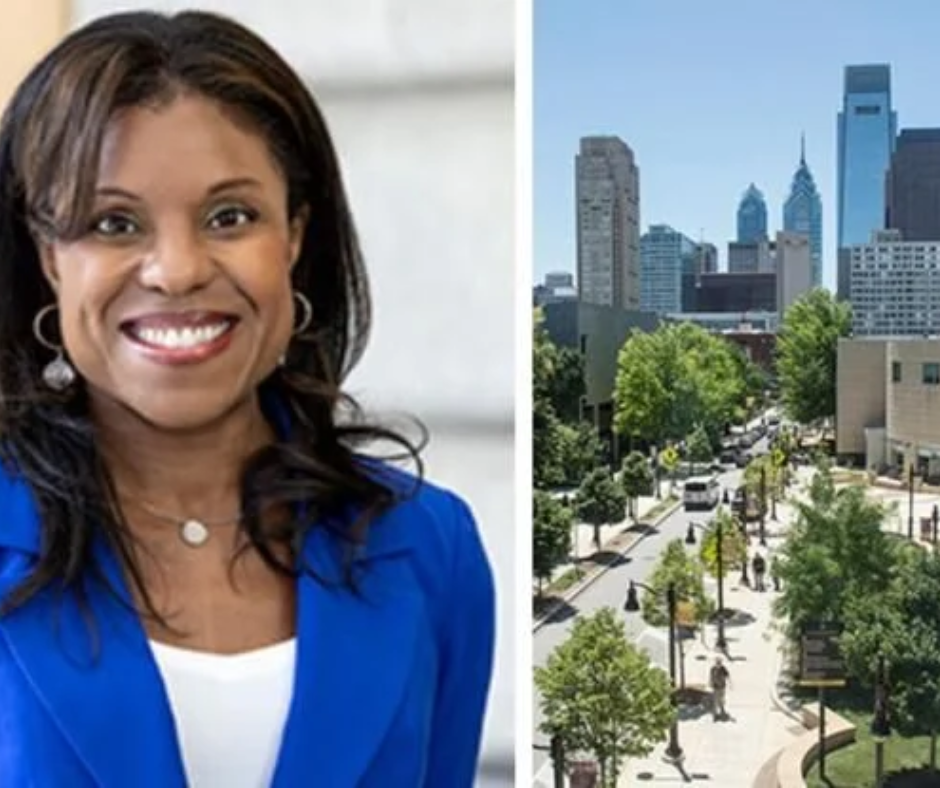
“This cash-transfer program is dramatically improving people’s housing outcomes,” said Vincent Reina, founder and faculty director of the Housing Initiative at the University of Pennsylvania.
Evidence of Impact
Researchers studied 301 households randomly selected from the Philadelphia Housing Authority waitlist. To qualify, families had to earn less than 50% of the area median income — $59,700 for a family of four in 2025 — and include at least one child under 16.
The payments varied widely, from $45 to $2,433 per month, depending on the family’s needs. Outcomes were compared against 170 households with traditional vouchers and 725 households who remained on the waitlist with no support.
After two years, results were clear:
-
Families in PHLHousing+ experienced 75% fewer forced moves than those with no subsidy.
-
Rates of homelessness were cut in half for program participants.
-
Stable housing led to better mental and physical health outcomes, particularly for children.
“There’s robust literature showing that households that are more housing secure … have better mental health, better physical health,” explained Sara Jaffee, a psychology professor at Penn and director of the university’s Risk and Resilience Lab.

Real-Life Impact on Families
For families like Tracey Nathaniel’s, the difference has been life-changing. A certified nursing assistant and single mother living in South Philadelphia, she had been struggling for years to keep up with $1,150 in monthly rent.
“It was literally robbing Peter to pay Paul,” Nathaniel recalled.
She joined the Philadelphia housing program PHLHousing+ after waiting more than a decade for a Section 8 housing voucher. The cash assistance she now receives has given her room to breathe financially.
“These days, that balancing act has more breathing room,” Nathaniel said. “It’s my security blanket.”
She explained that the payments allowed her to cover medical co-pays required for certain nursing jobs. With that support, she’s been able to pick up more shifts and move closer to securing full-time employment.
“It opened doors for me that were initially closed,” she said. “If not for the program, I don’t honestly know where I would be going.”
Uncertain Future, But Strong Momentum
The Philadelphia housing program PHLHousing+ is scheduled to conclude in June 2026. Whether it will become a permanent fixture in the city’s housing strategy remains unclear.
“These results are a really important, foundational piece for that conversation,” said Rachel Mulbry, director of policy and strategic initiatives at the Philadelphia Housing Development Corporation.
She emphasized that the most striking impact has been on families’ day-to-day security.
“They’re not in court, they’re not getting locked out more informally by a landlord, they’re not sleeping on couches or in a car, in a shelter. That’s absolutely huge,” Mulbry said.

What Comes Next
Philadelphia is also preparing to launch a broader initiative — Housing Opportunities Made Easy (H.O.M.E.) — aimed at preserving and creating 30,000 affordable housing units. Backed by $800 million in bonds, the program will include multiple strategies to keep low-income families housed and address the city’s shortage of affordable units.
For now, researchers and housing advocates point to the success of PHLHousing+ as proof that flexible, unconditional cash assistance can work. As the city moves forward, the pilot may serve as both a guide and a catalyst for long-term housing solutions.
Appreciating your time:
We appreciate you taking the time to read our most recent article! We appreciate your opinions and would be delighted to hear them. We value your opinions as we work hard to make improvements and deliver material that you find interesting.
Post a Comment:
In the space provided for comments below, please share your ideas, opinions, and suggestions. We can better understand your interests thanks to your input, which also guarantees that the material we offer will appeal to you. Get in Direct Contact with Us: Please use our “Contact Us” form if you would like to speak with us or if you have any special questions. We are open to questions, collaborations, and, of course, criticism. To fill out our contact form, click this link.
Stay Connected:
Don’t miss out on future updates and articles.