Staff Reporter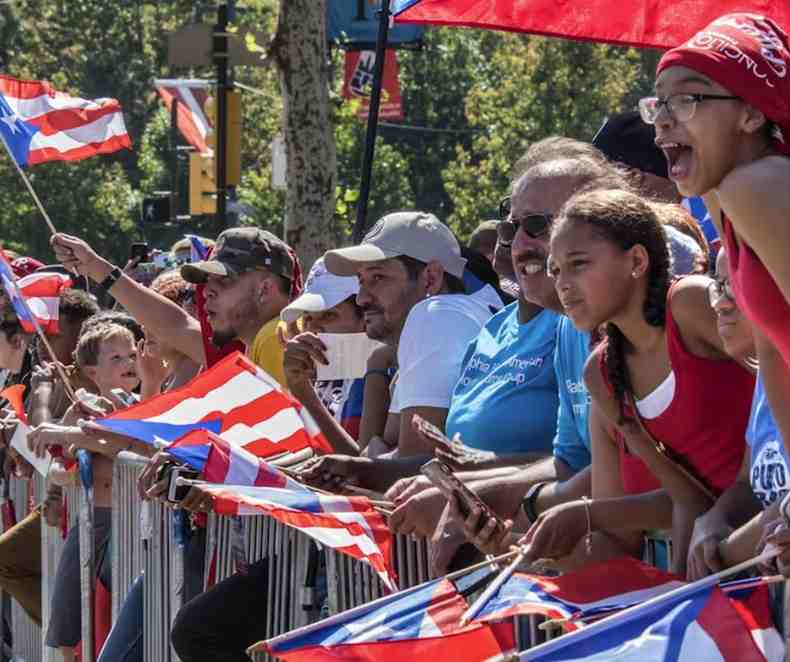
Philadelphia will come alive on Sunday, September 28, 2025, as the city hosts its annual Puerto Rican Day Parade, a festival of music, food, dance, and community pride. From the Benjamin Franklin Parkway to the heart of North Philadelphia, Boricuas from across the city will gather to celebrate their heritage, waving flags, sharing food, and performing cultural traditions that span centuries.
Picture the scene: Puerto Rican flags, affectionately called la monoestrellada – the “one-starred” – flutter everywhere. The air is rich with the aroma of alcapurrias and other fritters, while salsa rhythms and Bad Bunny’s reggaetón fill the streets. Conversations mix Spanish and English in the Spanglish typical of the diaspora, creating a unique linguistic soundtrack to the festivities.
“The parade is chaotic, loud, and impossible not to love,” says the author, a Puerto Rican born on the island and now teaching in Philadelphia. “It is a space where we perform our Puerto-Ricanness in myriad ways, from eating traditional foods to dancing salsa badly but enthusiastically.”
Story Highlights
-
Philadelphia is home to the second-largest Puerto Rican community outside New York City.
-
The Puerto Rican Day Parade 2025 showcases music, dance, food, and cultural symbols.
-
Identity is fluid: island-born “islandricans” and diaspora-born “diasporicans” experience Puerto Rican culture differently.
-
Parade symbols reflect pride, historical roots, political statements, and personal expressions of culture.
-
Challenges like poverty, violence, and inequity in Fairhill and West Kensington highlight the community’s resilience.
For many Puerto Ricans, identity is complicated. Diasporicans – Puerto Ricans living in the U.S. – navigate mixed feelings about culture, language, and history.
“I am both Boricua and Latino, de allá y de aquí,” says the author. “I grew up colonized yet now live in the colonizing country. I think in two languages. I eat arroz, habichuelas y carne guisada and also hamburgers. I like Guns N’ Roses and Calle 13. Identity is both complicated and celebrated at the parade.”
Parades like the Puerto Rican Day Parade serve as public demonstrations of community identity. They use symbols, music, and traditions to communicate what it means to be Puerto Rican – whether island-born or diaspora-born, historically rooted or contemporary, traditional or alternative.
Waving la monoestrellada can signify pride in culture and history, a connection to the island as a U.S. territory, or even a subtle call for independence. Dancers often perform Indigenous, Spanish, and Afro-Caribbean dances, reflecting the multiple cultural influences within the Puerto Rican identity.
Language also plays a role in identity. Bilingualism is common among Boricuas, but proficiency in Spanish and English can shape perceptions of authenticity. Islandricans may speak Spanish predominantly, while diasporicans lean toward English.
“Speaking Spanish with a gringo accent could mark you as an outsider on the island,” the author explains, “while not speaking English in the diaspora can make you seem backward. It’s complicated, but it reflects the fluid nature of Puerto Rican identity.”
Cultural anthropologist Yarimar Bonilla recently highlighted this ambivalence in her op-ed about Bad Bunny’s 30-date concert series in Puerto Rico.
“The concert is not simply an unprecedented artistic achievement; it is also a political statement,” Bonilla wrote. “Arraigo, or rootedness, is not what binds us, but what empowers us.”
Bad Bunny’s concerts, designed to favor island residents while celebrating Puerto Rican history, are seen as a gesture of love for the island and its people, regardless of whether they live on Puerto Rico or abroad.
Philadelphia has been home to Puerto Ricans for more than a century and is now a proud hub of Latin identity. According to U.S. Census data, over half of all Latinos in the city are Puerto Rican, making Philly the second-largest Puerto Rican diaspora in the U.S., after New York City.
Yet, the parade also reflects ongoing challenges. Neighborhoods like Fairhill and West Kensington face long-standing issues with poverty, violence, and inequities in health and housing. The parade becomes a public assertion of resilience, cultural pride, and community love.
Historically, the U.S. relationship with Puerto Rico has been complicated. From post-World War II economic aid to unethical medical testing in the 1950s and a slow response after Hurricane Maria in 2017, Puerto Rican communities have experienced both support and neglect. These histories add layers of meaning to the parade, emphasizing both pride and reflection.
“The parade demonstrates a rootedness that is complex and plural,” the author reflects. “It is a gesture of love that straddles comfort and grief. Identity is fluid, traditions shift, and political relationships change – yet our culture endures.”
In 2025, the Puerto Rican Day Parade in Philadelphia promises to be a vibrant, joyful, and reflective celebration of Puerto Rican culture, heritage, and resilience. From waving la monoestrellada to sharing food and dance, the parade is a reminder that identity, community, and love are ever-evolving but deeply rooted.
Appreciating your time:
We appreciate you taking the time to read our most recent article! We appreciate your opinions and would be delighted to hear them. We value your opinions as we work hard to make improvements and deliver material that you find interesting.
Post a Comment:
In the space provided for comments below, please share your ideas, opinions, and suggestions. We can better understand your interests thanks to your input, which also guarantees that the material we offer will appeal to you. Get in Direct Contact with Us: Please use our “Contact Us” form if you would like to speak with us or if you have any special questions. We are open to questions, collaborations, and, of course, criticism. To fill out our contact form, click this link.
Stay Connected:
Don’t miss out on future updates and articles.