Category Archives: Celebrities

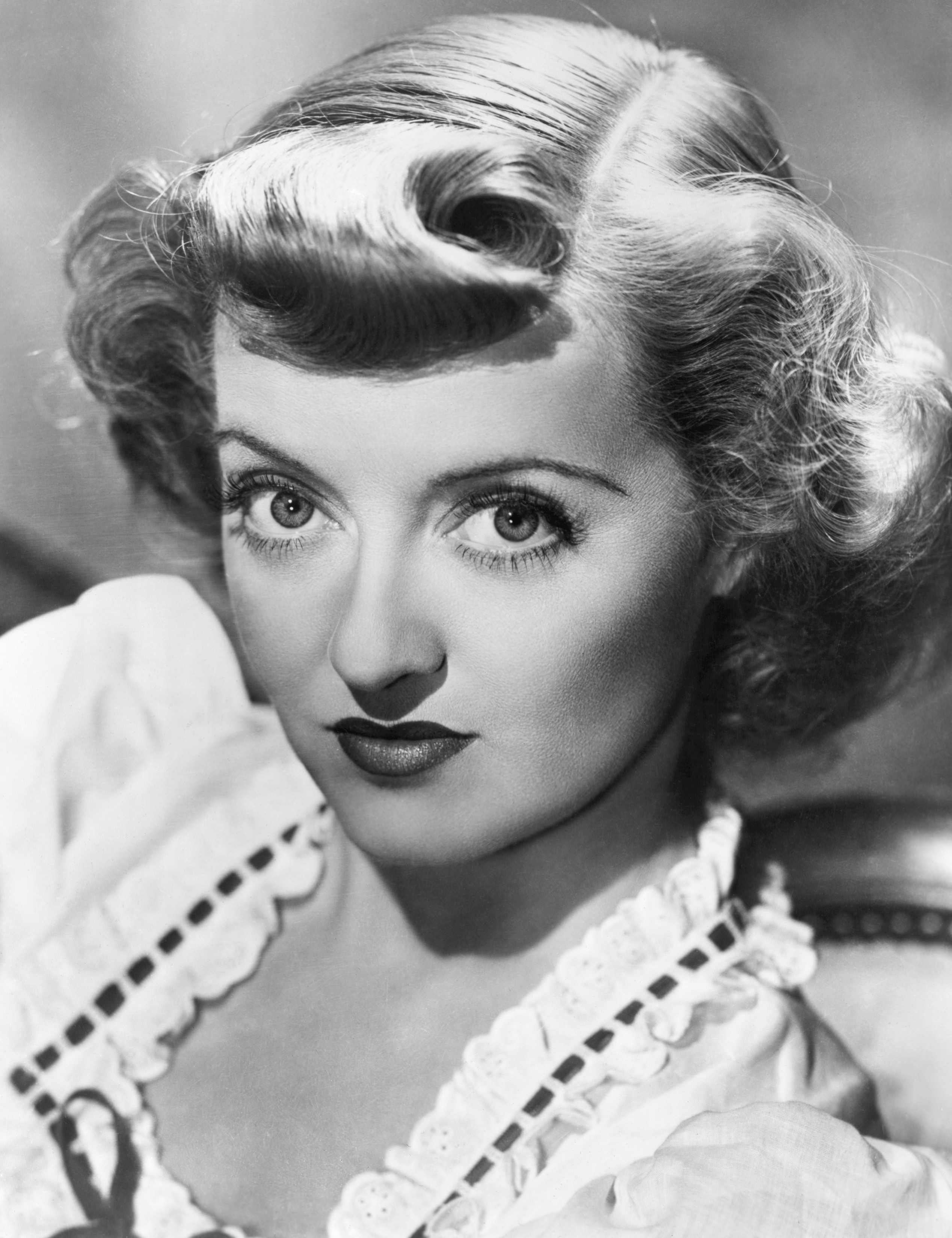
Bette Davis

Bette Davis Unmasked: Hollywood’s Rebel Queen and Her Scandalous Legacy

Bette Davis, born Ruth Elizabeth Davis in 1908, was a force of nature in early Hollywood. Known for her piercing eyes and unyielding spirit, she became the first actor to receive ten Academy Award nominations, winning twice for Dangerous (1935) and Jezebel (1938). Her performances in All About Eve (1950) and Now, Voyager (1942) are often cited among the greatest in cinematic history. Roger Ebert praised her portrayal in All About Eve, noting, “Davis was a character, an icon with a grand style; so, even her excesses are realistic.”

⚡ Behind Closed Doors: Scandals and Controversies

💔 Affair with Howard Hughes and Blackmail

In the mid-1930s, Davis was on the cusp of superstardom, but behind the scenes, her personal life was tumultuous. She had an affair with Howard Hughes, which became public when her first husband, Harmon “Ham” Nelson, discovered the relationship. Nelson reportedly blackmailed Hughes for $70,000 to destroy compromising recordings of the affair, and demanded $10,000 from Davis herself. FacebookReddit+1UPI

🖤 Feud with Joan Crawford

Davis’s rivalry with Joan Crawford is legendary. The two actresses starred together in What Ever Happened to Baby Jane? (1962), a film that mirrored their real-life animosity. The production was fraught with tension, with both actresses reportedly sabotaging each other’s performances. Crawford allegedly persuaded Davis to join the project, and their on-set behavior fueled public fascination with their feud. Harper’s BAZAAR
📚 Daughter’s Tell-All Memoir

In 1985, Davis’s daughter, B.D. Hyman, published My Mother’s Keeper, a memoir that painted a damning portrait of Davis. Hyman accused her mother of emotional cruelty, alcoholism, and narcissism. One of the most shocking allegations was that Davis staged a suicide attempt to punish her daughter. Hyman claimed that at age eight, she found her mother locked in a room after allegedly overdosing, only to be told the next day, “I hope that taught you a good lesson.” FacebookVanity Fair

The memoir caused a rift between mother and daughter, with Davis reportedly disinheriting Hyman and criticizing her in her own memoir. Actress Mia Farrow, who knew Hyman from childhood, called the book “trashy” and stated she “lost all respect” for her. People.com

🧠 Critical Perspectives: Praise and Critique

Critics have had mixed reactions to Davis’s performances. While many lauded her intensity and dedication, others found her style overbearing. Pauline Kael referred to Now, Voyager as a “shlock classic,” and Time magazine described her acting in Dead Ringer (1964) as “shameless showing off.”

However, Davis’s ability to evoke strong emotions and command the screen was undeniable. Her portrayal of Margo Channing in All About Eve was ranked fifth on Premiere magazine’s list of 100 Greatest Performances of All Time, highlighting her skill in portraying complex, flawed characters.

🏆 Enduring Influence and Legacy

Despite the controversies, Davis’s impact on Hollywood is immeasurable. She was the first woman to receive the AFI Life Achievement Award in 1977 and was ranked second on the American Film Institute’s list of the 50 Greatest American Screen Legends in 1999. Her legacy continues to inspire actors and filmmakers, and her films remain a testament to her talent and resilience. Mental Floss

📺 Further Reading and Viewing

To gain deeper insights into Bette Davis’s life and career, consider exploring the following resources:

Bette Davis’s journey through Hollywood was a compelling tapestry of brilliance, defiance, and relentless ambition. Her extraordinary talent, unflinching dedication, and fearless embrace of controversy cemented her as one of cinema’s most unforgettable figures. While her life bore moments of turbulence and debate, her artistry and enduring influence remain indisputable. As audiences continue to revisit her films and legends, Bette Davis stands immortal—not merely as an actress, but as an emblem of audacity, passion, and the indelible spirit of Hollywood’s golden age.

Appreciating your time:

We appreciate you taking the time to read our most recent article! We appreciate your opinions and would be delighted to hear them. We value your opinions as we work hard to make improvements and deliver material that you find interesting.

Post a Comment:

In the space provided for comments below, please share your ideas, opinions, and suggestions. We can better understand your interests thanks to your input, which also guarantees that the material we offer will appeal to you. Get in Direct Contact with Us: Please use our “Contact Us” form if you would like to speak with us or if you have any special questions. We are open to questions, collaborations, and, of course, criticism. To fill out our contact form, click this link.

Stay Connected:

Don’t miss out on future updates and articles.

Uncovering Emily Dickinson Controversies and Hidden Truths

Emily Dickinson—America’s most paradoxical poet. A woman who lived in near-complete seclusion, yet shook the foundations of modern poetry. A figure draped in white, tending flowers in Amherst, while scribbling verses that would ignite centuries of debate. Is she a genius beyond measure, or a cryptic recluse whose work was misread by generations? Here, we unravel the acclaim, the attacks, and the controversies that make Dickinson one of the most fascinating literary enigmas.

“She Dared to Disturb the Universe” – Why Critics Call Her a Genius

Emily Dickinson was no ordinary lyricist; she reinvented the language of poetry. Her unconventional punctuation, fractured syntax, and startling metaphors made her a pioneer of modernism long before the movement had a name.

Harold Bloom, in his magisterial The Western Canon, thundered:

“Emily Dickinson is the singular genius of American poetry—her originality rivals that of Dante and Shakespeare.”

Helen Vendler, the queen of close reading, declared:

“Dickinson’s poems are the most concentrated act of mind in American letters.”

Her poetic weapons? The dash—sharp as a scalpel. The capital letter—flashing like a blade. The slant rhyme—defying perfect harmony in favor of provocative dissonance. Critics hail her as “the inventor of the inward lyric,” a poet who compressed eternity into 16 lines.

The Shadow Side: Critics Who Doubted Her

Not everyone saw a prophetess. In the early 20th century, some critics dismissed her as a “domestic oddity,” writing “half-formed verses in the attic.” Biographer Martha Dickinson Bianchi (her niece) romanticized Emily into a saintly spinster, which scholars later called “myth-making”—a sanitization of her passion and intellectual daring.

Others accused modern critics of “over-reading” her cryptic lines, arguing that her obscurity invited interpretive chaos. Still today, online debates rage: Was she a mystic, a proto-feminist, or simply eccentric?

“The Brain—is Wider than the Sky”—Or the Room?

She almost never left her Amherst home. She often spoke through a closed door rather than face visitors. And yes, she sometimes wore only white dresses. Was it artistic rebellion or mental fragility?

Controversy thrives:

  • Medical theories suggest agoraphobia or severe anxiety.

  • Others call her isolation a “creative monastery,” where she forged her universe in a single room.

In a letter, she confessed:

“The Soul selects her own Society—Then—shuts the Door—”

Was this metaphor—or manifesto?

Secret Loves and Scandalous Affections

Forget the spinster myth. Dickinson’s letters burn with passion—especially those to Susan Gilbert Dickinson, her sister-in-law and lifelong confidante. Over 250 letters and poems were written to Susan, some explicitly yearning:

“With the exception of Shakespeare, you have told me more than anyone else.”

Critics now see these as lesbian or queer-coded love poems, though some scholars argue for a more complex intimacy beyond modern labels. Editors in the 19th century erased Susan’s name from many poems, replacing it with neutral pronouns—a censorship that still sparks outrage.

Her emotional life didn’t end there. Judge Otis Lord courted her late in life; Samuel Bowles, the journalist, was another figure in her orbit. Yet Emily never married. Instead, she married language—and made eternity her only partner.

The Editorial Betrayal: “Proofread the Soul Out of Her”

After her death in 1886, Dickinson left behind nearly 1,800 poems—many bound into hand-sewn fascicles. When the first editions appeared, Mabel Loomis Todd and Thomas Wentworth Higginson butchered them to Victorian taste:

  • They removed dashes,

  • Standardized capitalization,

  • Added titles Emily never wrote,

  • And in doing so, flattened the shock of her original voice.

For decades, readers encountered a polite Dickinson—a far cry from the wild experimentalist she truly was. Modern scholars call it “the great literary crime of the 19th century.”

Resurrection Through Manuscripts: The Gorgeous Nothings

Fast-forward to the 21st century. Scholars restore Emily’s radical texts—scraps on envelopes, margin jottings—through facsimile projects like The Gorgeous Nothings. These artifacts reveal a poet who painted with paper, turning torn envelopes into canvases for immortal lines. Dickinson was not just a writer—she was an architect of silence and space.

Susan Howe, avant-garde poet and critic, hails this materiality:

“Dickinson is a cosmos. The visual chaos of her manuscripts is the soul of her poetry.”

Pop Culture’s “Sexy Dickinson”: Rewriting the Myth

From Apple TV+’s “Dickinson” to Wild Nights with Emily, a cultural revolution is reframing her. No longer the bloodless saint, she is “bold, queer, and fiercely alive.”

Showrunner Alena Smith embraced the term “Sexy Dickinson”, declaring:

“It’s time to rescue Emily from the attic and set her poems on fire.”

The Controversial Poems That Still Scandalize

  • “I heard a Fly buzz—when I died—”
    Critics debate: Is the fly an angel of death—or a symbol of meaninglessness? Harold Bloom saw in it “the triumph of the trivial.”

  • “Wild Nights—Wild Nights!”
    A hymn of erotic ecstasy, shocking in 1860—and still startling today.

  • “My Life had stood—a Loaded Gun—”
    Interpreted as feminist rage, divine possession, or proto-nihilism. It’s a poem that critics call “a live grenade.”

Acclamations That Cemented Her Legacy

  • Harold Bloom:
    “Her originality rivals that of Dante and Shakespeare.”

  • Adrienne Rich:
    “She dared to write what women never wrote—what even men feared.”

  • Thomas Wentworth Higginson (her mentor):
    “The poet whom I feared most to edit—because she startled me like lightning.”

Why Emily Dickinson Still Rules the Unruly Heart of Poetry

Today, Dickinson is everywhere: in academic syllabi, in feminist manifestos, in queer theory, in Instagram captions. She anticipated modernist fragmentation, feminist subjectivity, and even the aesthetics of minimalism—decades before any movement claimed them.

Her poems are brief storms: no titles, no compromises, only raw lightning strikes of thought. She wrote, she hid, she died—and now she dominates.

Perhaps Susan Howe said it best:

“A poet is salted with fire. Dickinson’s fire still burns the page.”

Emily Dickinson remains an unparalleled figure in American literature—mysterious, rebellious, and timeless. While her poetry broke boundaries with raw intimacy and existential depth, her reclusive life sparked endless debate and fascination. Critics hail her as a visionary who revolutionized poetic form, while others question her unconventional choices and cryptic isolation. Yet, it is precisely this duality—her brilliance and enigma—that secures her immortality in literary history. Emily Dickinson was not just a poet; she was a silent storm that rewrote the language of emotions forever.

Appreciating your time:

We appreciate you taking the time to read our most recent article! We appreciate your opinions and would be delighted to hear them. We value your opinions as we work hard to make improvements and deliver material that you find interesting.

Post a Comment:

In the space provided for comments below, please share your ideas, opinions, and suggestions. We can better understand your interests thanks to your input, which also guarantees that the material we offer will appeal to you. Get in Direct Contact with Us: Please use our “Contact Us” form if you would like to speak with us or if you have any special questions. We are open to questions, collaborations, and, of course, criticism. To fill out our contact form, click this link.

Stay Connected:

Don’t miss out on future updates and articles.

Audrey Hepburn: The Beauty the Brilliance and the Controversy

“Elegance is the only beauty that never fades,” Audrey Hepburn once said. But what happens when elegance collides with guilt, hunger, scandal, and critical fire? Behind the shimmering surface of Breakfast at Tiffany’s and the calm smile that lit up cinema screens, Hepburn fought private wars—some literal, some emotional, and some artistic. She was not merely the darling of Givenchy and Hollywood; she was a paradox: adored yet criticized, fragile yet unbreakable, flawless yet flawed.

 Born From Privilege—and Political Shame

Audrey Kathleen Ruston entered the world in 1929, amid aristocracy and unrest. Her mother, Baroness Ella van Heemstra, openly sympathized with Nazis, publishing pro-Hitler essays; her father, Joseph Ruston, walked away when Audrey was six, shattering her sense of security. This was no fairy-tale childhood—it was a cracked porcelain doll of privilege and betrayal.

Critics and biographers later wrote that “her humanitarian zeal was born from inherited guilt”—a need to atone for a family history that could have tainted her forever. As one cultural historian observed:

“Hepburn’s war trauma and parental disgrace shaped her as much as the roles she played.” — Alex Cox, The Guardian

 Hunger, Ballet, and the Price of Survival

The Hunger Winter of 1944 turned the future style goddess into a starving adolescent, so frail she ate tulip bulbs to stay alive. Dreams of becoming a prima ballerina vanished with malnutrition:

“I might have danced, but I could not eat,” she later recalled.

Some sources claim she worked for the Dutch Resistance—delivering secret messages in her ballet shoes, hosting clandestine recitals to raise funds, and even sheltering Allied pilots. While disputed by historians, the myth endures because, as critics note, “it fits the Audrey narrative—fragile yet fearless.”

 The Meteoric Rise—And A Velvet Revolution in Style

When Roman Holiday (1953) premiered, critics erupted in applause:

“A slender, elfin creature with a rare, magnetic innocence,” wrote The New York Times.

She swept the Oscars, BAFTAs, and Golden Globes in a single swoop—a feat few have repeated. With Sabrina and Funny Face, she didn’t just wear clothes—she invented the modern woman on screen. Fashion critic Suzy Menkes called her:

“The anti-Marilyn. Where others sold sex, she sold soul.”

Her black Givenchy sheath in Breakfast at Tiffany’s became, as Vogue declared, “the most famous little black dress in history.”

 When the Crown Slipped: Criticism, Dubbing, and Hollywood Politics

Hepburn’s most controversial moment? My Fair Lady. Warner Bros. picked her over Julie Andrews, triggering outrage in theater circles. Then came the final blow—her singing voice replaced by Marni Nixon without her consent. Hepburn confessed:

“I felt used. I was angry. Really angry.”

Critics pounced. Pauline Kael sneered:

“The camera loves her, but her voice—unloved, untrustworthy—becomes a scandal.”

Yet the film won eight Oscars. Hollywood’s cruel paradox: it devoured her dignity while bowing to her beauty.

 The Problem With Tiffany’s: Iconic Role, Ugly Truth

Holly Golightly made Hepburn immortal—but at a cost. Mickey Rooney’s grotesque yellowface portrayal of Mr. Yunioshi left a permanent stain on an otherwise dazzling film. Hepburn reportedly hated the caricature, calling it “wrong in every possible sense.” Today, it is cited in every discussion of racism in classic cinema.

 Love Stories Written in Tears

Two marriages—Mel Ferrer (controlling, allegedly cruel) and Andrea Dotti (serial adulterer)—ended in heartbreak. Hepburn herself admitted:

“I was searching for my father in every man.”

In her later years, Robert Wolders became her haven—a love free of pretense, quietly lived in the Swiss countryside.

 The Humanitarian Saint—or the Last Performance?

From 1988 to 1992, Hepburn transformed into a relentless UNICEF warrior, flying to Ethiopia, Bangladesh, and Somalia. President George H.W. Bush honored her with the Medal of Freedom, calling her:

“Whose work with UNICEF put her in our hearts.”

Some skeptics whispered about celebrity virtue-signaling, but most critics saw the truth: this wasn’t PR—it was penance. As Time wrote:

“Hepburn gave away her most precious resource—not money, but time.”

 The Final Act—And the Fight Over Her Ghost

She died in 1993, but drama lingered. Her sons clashed in court over the Audrey Hepburn Children’s Fund, tarnishing the pristine myth. Even posthumously, her name became a battlefield—used, abused, commodified.

Meanwhile, critics began revisiting her roles:

  • Roger Ebert called Charade “a Hitchcock movie Hitchcock never made—sparkling because of Hepburn.”

  • Bosley Crowther hailed Sabrina for her “astonishing range of delicate expression.”

  • Others lamented her limitations: “She played herself—always charming, rarely transformative,” wrote one revisionist essay in Sight & Sound.

 The Enigma Endures

So who was Audrey Hepburn? A saint? A style shell? A victim of Hollywood politics? Or simply a survivor who turned her scars into grace?

As her son Sean Hepburn Ferrer said:

“My mother was like a steel fist in a velvet glove.”

And maybe that’s the truth critics missed—beneath the Givenchy silk was armor, beneath the elegance was endurance.

Critical Acclaim at a Glance

  • “A slender, elfin, wistful beauty—the success of the season.”The New York Times on Roman Holiday

  • “One of the most eloquent faces the camera has ever known.”Roger Ebert

  • “She gave us more than glamour—she gave us decency.”Vanity Fair obituary

“I felt used. And I was angry.” — Hepburn on My Fair Lady dubbing scandal

Explanation:
This quote refers to the infamous dubbing controversy during the making of My Fair Lady (1964). Audrey Hepburn was cast as Eliza Doolittle instead of Julie Andrews, who originated the role on Broadway. The controversy deepened when producers replaced Hepburn’s singing voice with Marni Nixon’s vocals without giving her due credit. Hepburn admitted later that she felt betrayed and humiliated, which broke her image of being a “perfect, submissive star.” Including this quote adds a raw, human emotion and challenges the perception of her as a serene Hollywood darling. It turns the article from simple admiration into an honest portrayal of struggle and studio politics.

“The most famous little black dress in history.” — Vogue on her Tiffany’s look

Explanation:
This is about the black Givenchy dress worn by Hepburn in Breakfast at Tiffany’s (1961), which became a global fashion symbol and redefined glamour for decades. Vogue calling it “the most famous little black dress in history” signifies her powerful influence on fashion and pop culture. The dress is not just a costume—it’s a cultural artifact that shaped the idea of timeless elegance. Including this quote highlights her unshakable legacy as a fashion icon and keeps the article visually and culturally engaging.

“She sold soul, not sex.” — Suzy Menkes

This powerful line by fashion critic Suzy Menkes summarizes what set Audrey Hepburn apart from other Hollywood sex symbols like Marilyn Monroe or Brigitte Bardot. Hepburn was never about provocative sensuality; instead, she portrayed grace, vulnerability, and emotional depth. This quote underlines the critical acclaim for her authentic charm, while also hinting at a contradiction in Hollywood’s obsession with sexual appeal. It helps position Hepburn as a unique cultural phenomenon, not just another glamorous star.

Sidebar: The Most Controversial Audrey Facts

✔ Her parents were Nazi sympathizers—she spent her life repudiating it.
✔ She allegedly worked for the Dutch Resistance—historians still debate it.
✔ Turned down Anne Frank role—too raw given her own wartime scars.
✔ Had multiple miscarriages—hidden behind a smile for the press.
✔ Estate wars and lawsuits dragged her legacy into courtrooms.

Final Word

Audrey Hepburn was not a goddess carved in marble—she was a woman with cracks filled with courage, an icon embroidered with flaws. Critics adored and attacked her in equal measure, but history has done what history always does with complicated women—it canonized her. And perhaps rightly so, because even now, decades later, the question isn’t Was Audrey perfect? It’s Why do we still need her to be?

Audrey Hepburn remains an enduring paradox—an angelic face framed by shadows of reality. Her cinematic triumphs redefined Hollywood elegance, while her humanitarian work etched her as a global symbol of compassion. Yet, the rumors, controversies, and unconventional truths surrounding her life persist, shaping a narrative both dazzling and divisive. Neither flawless saint nor scandalous sinner, Hepburn stands as a figure beyond mere stardom—a woman of contrasts whose story continues to enthrall, inspire, and provoke curiosity in the glittering chronicles of cinema.

Appreciating your time:

We appreciate you taking the time to read our most recent article! We appreciate your opinions and would be delighted to hear them. We value your opinions as we work hard to make improvements and deliver material that you find interesting.

Post a Comment:

In the space provided for comments below, please share your ideas, opinions, and suggestions. We can better understand your interests thanks to your input, which also guarantees that the material we offer will appeal to you. Get in Direct Contact with Us: Please use our “Contact Us” form if you would like to speak with us or if you have any special questions. We are open to questions, collaborations, and, of course, criticism. To fill out our contact form, click this link.

Stay Connected:

Don’t miss out on future updates and articles.

Emil Wakim Exits SNL After One Season: What Led to the Surprise Move?

The shake-up at Saturday Night Live continues as Emil Wakim, one of the newest cast members of Season 50, confirmed his exit from the iconic NBC sketch comedy show. The news comes just days after fellow comedian Devon Walker revealed his departure, marking another change in the lineup.

Wakim joined SNL in 2023 alongside Ashley Padilla and Jane Wickline. However, his time on the show was relatively brief and under the radar. According to reports, Emil Wakim had the third least screen time this season, placing just above Wickline and Walker.

Story Highlights

  • Emil Wakim exits Saturday Night Live after one season

  • Joined the show in Season 50 with Ashley Padilla and Jane Wickline

  • Ranked among the least featured cast members in 2024-2025

  • Made late-night debut on The Tonight Show Starring Jimmy Fallon

  • Honored as a Just For Laughs “New Face of Comedy” in 2022

Wakim Reflects on the Exit

The Lebanese-American comedian took to Instagram to share his feelings about leaving Saturday Night Live, describing the moment as “a gut punch.”

“I won’t be returning to SNL next year. It was a gut punch of a call to get, but I’m so grateful for my time there,” Wakim wrote.

He went on to share a personal anecdote about where he was when he received the news:
“I was at Six Flags celebrating my friend’s 36th birthday and went on a really emotional walk through Bugs Bunny Park. I stared out across Daffy Duck Lake thinking about life.”

An Emotional Goodbye

For Wakim, the opportunity to work at Saturday Night Live was nothing short of surreal.
“Every time I scanned into the building, I would think how insane it is to get to work there,” he said.

Calling the experience “the most terrifying, thrilling, and rewarding” chapter of his life, Wakim expressed gratitude to executive producer Lorne Michaels.
“Thank you to Lorne for taking a chance on me and changing my life,” he added.

Despite the disappointment, Wakim remains optimistic about what’s next:
“I was so lucky to bring some of myself in there and say things I believed in. I’m excited for whatever chapter comes next. Here’s to making more art without compromise.”

Career Highlights Before SNL

Before joining Saturday Night Live, Emil Wakim had already made a name for himself in the comedy world. In 2022, he made his late-night television debut on NBC’s The Tonight Show Starring Jimmy Fallon, which is also executive produced by Lorne Michaels.

That same year, Wakim was selected as a New Face of Comedy at the Just For Laughs Comedy Festival, a recognition that often signals big things ahead for rising talent. Over the years, Wakim has opened for well-known comedians such as Roy Wood Jr., Nikki Glaser, and Hasan Minhaj.

Currently, Emil Wakim is represented by UTA and Strig Artist Management, and fans can expect more projects from him in the future.

What Emil Wakim’s Exit Means for SNL

With Emil Wakim’s exit, Saturday Night Live continues its period of transition as it moves beyond its landmark 50th season. The departures of Wakim and Devon Walker suggest a reshaping of the cast, though NBC has yet to announce who will join or replace the outgoing comedians.

For Wakim, the door to the next chapter is wide open — and given his track record, his next move will be one to watch.

Emil Wakim’s exit from Saturday Night Live marks the end of a brief but meaningful chapter in his career. While his time on the show may have been short, Wakim leaves with gratitude and a strong commitment to creating “art without compromise.” His rise from making a late-night debut on The Tonight Show to becoming a cast member on SNL demonstrates his talent and potential. As the iconic NBC show undergoes cast changes, Wakim’s next steps in the comedy world will be closely watched by fans and industry insiders alike.

Appreciating your time:

We appreciate you taking the time to read our most recent article! We appreciate your opinions and would be delighted to hear them. We value your opinions as we work hard to make improvements and deliver material that you find interesting.

Post a Comment:

In the space provided for comments below, please share your ideas, opinions, and suggestions. We can better understand your interests thanks to your input, which also guarantees that the material we offer will appeal to you. Get in Direct Contact with Us: Please use our “Contact Us” form if you would like to speak with us or if you have any special questions. We are open to questions, collaborations, and, of course, criticism. To fill out our contact form, click this link.

Stay Connected:

Don’t miss out on future updates and articles.

Fall Film Festival 2025: Big Oscar Contenders Heat Up Venice to New York

The most awaited season for cinema enthusiasts and Oscar followers has finally arrived. Fall Film Festival 2025 begins this week, and with it comes a fresh lineup of highly anticipated movies that promise to dominate discussions well into awards season. From Venice to Toronto, Telluride to New York, these festivals are where the year’s biggest Oscar contenders are born.

This year feels particularly special. Many celebrated filmmakers are making their much-awaited return to the big screen, while others are unveiling passion projects that have been years in the making. The excitement is palpable—not only for critics and audiences but for the entire industry.

Why Fall Film Festival 2025 Matters

Fall festivals traditionally act as the launchpad for major Oscar contenders. Every year, the most prestigious titles first make their mark here before heading to theaters worldwide. With big names like Kathryn Bigelow, Guillermo del Toro, Park Chan-wook, and Noah Baumbach in the mix, 2025 is shaping up to be a defining year for film lovers.

As one critic put it:
“This is the most promising festival season in recent memory, with a lineup that blends innovation, nostalgia, and pure cinematic craft.”

Story Highlights

  • Venice, Toronto, New York, and Telluride to showcase major premieres

  • Kathryn Bigelow returns after eight years with A House of Dynamite

  • Guillermo del Toro’s Frankenstein among the biggest festival titles

  • Park Chan-wook’s thriller No Other Choice aims for awards glory

  • Daniel Day-Lewis returns from retirement in Anemone

  • Bradley Cooper closes NYFF with Is This Thing On?

Venice International Film Festival 2025 – Opening the Season

Venice kicks off the Fall Film Festival 2025 season, and the lineup is packed with prestige titles.

After the Hunt

Luca Guadagnino returns with a tense drama on campus ethics. Andrew Garfield stars as a professor accused of misconduct, with Julia Roberts delivering a rare dark performance.
As insiders suggest:
“Roberts stepping into a morally complex world makes this one to watch.”

A House of Dynamite

Kathryn Bigelow, the first woman to win an Oscar for Best Director, returns after an eight-year hiatus. Her last release, Detroit, divided critics, but expectations are high for this new political thriller. The story follows an American presidential administration confronting an imminent nuclear attack.
A source close to the production said:
“It’s classic Bigelow—intense, procedural, and gripping.”

The cast adds more weight: Idris Elba, Rebecca Ferguson, Greta Lee, and Kaitlyn Dever headline what many are already calling a top Oscar contender 2025.

Toronto International Film Festival 2025 – Star Power and Surprises

Toronto remains the heartbeat of Fall Film Festival 2025, delivering some of the season’s most audience-friendly films.

Frankenstein

Guillermo del Toro brings Mary Shelley’s classic back to life, with Oscar Isaac as Victor Frankenstein and Jacob Elordi as the monster.
Early buzz suggests a bold, action-driven spectacle:
“Del Toro’s vision is Gothic and grand, but with a kinetic edge that redefines the classic.”

No Other Choice

Park Chan-wook offers a dark thriller based on Donald Westlake’s novel The Ax. The plot follows a desperate man who eliminates job rivals to secure employment. Lee Byung-hun, known for Squid Game, takes on the chilling lead role.
Festival watchers note:
“This is Park Chan-wook at his most ruthless—stylish, shocking, and utterly compelling.”

Hamnet

Chloé Zhao adapts Maggie O’Farrell’s celebrated novel, exploring the life of William Shakespeare through the lens of his wife, Agnes, played by Jessie Buckley. With Paul Mescal as Shakespeare and Steven Spielberg among the producers, this is one of the most anticipated dramas of the year.
Buckley shared:
“It was the most fluid, creative experience I’ve had on a film set.”

New York Film Festival 2025 – Closing with Big Names

The New York Film Festival 2025 will close with Bradley Cooper’s directorial effort, Is This Thing On?, a comedy-drama starring Will Arnett as a man who turns to stand-up comedy during a divorce. Cooper reportedly based the script on the real-life story of British comedian John Bishop.
According to festival insiders:
“Cooper’s third film is a tonal shift—lighter, but deeply personal.”

Adding to the festival’s buzz is Anemone, marking Daniel Day-Lewis’s return to acting. Directed by his son, Ronan Day-Lewis, the film explores themes of fathers and sons, with Sean Bean also in the cast.
Industry analysts say:
“Day-Lewis’s comeback is the biggest story of NYFF—an unmissable cinematic event.”

What’s Next for Oscar Contenders 2025?

With Venice, Toronto, Telluride, and New York Film Festival 2025 setting the stage, these films will define the awards conversation. Whether it’s Bigelow’s suspenseful storytelling, del Toro’s visual spectacle, or Park Chan-wook’s psychological intensity, the race for Oscar 2025 begins now.

As one festival programmer summed it up:
“This season is a celebration of ambition, artistry, and the return of big-screen magic.”

As the curtains rise on Fall Film Festival 2025, anticipation runs high across Venice, Toronto, Telluride, and New York. These festivals are not just cinematic showcases—they set the tone for the entire Oscar season. From Kathryn Bigelow’s high-stakes thriller to Guillermo del Toro’s gothic spectacle and Daniel Day-Lewis’s unexpected return, this year’s lineup promises to deliver artistry, ambition, and unforgettable performances.

One thing is clear: Fall Film Festival 2025 will be the stage where trends are set, careers are redefined, and the biggest Oscar contenders of 2025 take shape. For movie lovers, the next few weeks are pure magic.

Appreciating your time:

We appreciate you taking the time to read our most recent article! We appreciate your opinions and would be delighted to hear them. We value your opinions as we work hard to make improvements and deliver material that you find interesting.

Post a Comment:

In the space provided for comments below, please share your ideas, opinions, and suggestions. We can better understand your interests thanks to your input, which also guarantees that the material we offer will appeal to you. Get in Direct Contact with Us: Please use our “Contact Us” form if you would like to speak with us or if you have any special questions. We are open to questions, collaborations, and, of course, criticism. To fill out our contact form, click this link.

Stay Connected:

Don’t miss out on future updates and articles.

Sex and the City Fans Honor Kim Cattrall’s 69th Birthday with 69K Run in NYC

Sex and the City superfans are swapping stilettos for sneakers and heading out on the streets of Brooklyn for an unusual celebration honoring Kim Cattrall’s 69th birthday.

The event, cleverly named “Oh, Honey: The Kim Cattrall 69K,” is part run club, part watch party, and fully dedicated to the woman who brought Samantha Jones to life on the iconic HBO series.

STORY HIGHLIGHTS

✔ Fans celebrate Kim Cattrall’s 69th birthday with 6.9K runs
✔ Runs take place two to three times weekly in Brooklyn
✔ End at Fulton Grand Bar for themed cocktails and SATC episodes
✔ Features piñatas, novelty condoms, and Cosmo cool-downs
✔ Organized via Strava app; event spreads worldwide
✔ Celebrates Samantha Jones’ enduring influence on women

A Celebration Beyond Heels and Cosmopolitans

Organizers say the idea was born out of humor, but quickly turned into a cultural moment. The runs are 6.9 kilometers long—a cheeky nod to the milestone birthday—and take place two to three times a week with no fixed route. The only rule? Finish strong at Clinton Hill’s Fulton Grand Bar, where participants toast the evening with Cosmopolitans while watching some of Samantha’s most iconic episodes.

Alongside cocktails, there’s a piñata shaped like the number 69, stuffed with goodies, including novelty condoms featuring Kim Cattrall’s face. It’s a celebration as bold and unapologetic as the character it honors.

“Sixty-Nine is Perfect for Samantha”

Event organizer Kat Thek, 38, says the age couldn’t be more fitting:

“Sixty-nine is such a perfect age to celebrate Samantha, and she’s aged well in every possible way.”

Thek, who previously went viral for creating fake And Just Like That filming notices, teamed up with Mary Dauterman, 37, to bring this idea to life. Dauterman explains why Kim Cattrall still resonates with women in New York and beyond:

“She fits in their world. But she also has a level to her that’s superhuman. Not 100% of the time, but so many of her views on sexuality and independence feel modern. She’s saying things that are still relevant today.”

From a Joke to a Movement

The celebration began as a private joke between two friends in Bed-Stuy, but it quickly grew into something much larger. According to Thek:

“I’ve never been into sports, but this feels like a community thing. It’s a sports experience because everybody is watching the TV and hooting and hollering at it.”

The organizers emphasize that there’s no strict requirement to run. Many participants choose to walk, jog, or skip the run entirely, joining in later for drinks and episodes. As Samantha once said, “I don’t want to be in a situation for even an hour where I’m not enjoying myself.”

Global Popularity Through Strava

What started in Brooklyn has now gone international, thanks to the Strava running app. Fans from Tulsa, Los Angeles, Amsterdam, and even small cities in Russia are logging their own Kim Cattrall 69K runs.

“It’s been a surprising way to bring people together,” Dauterman said. “In a big city, it can be hard to casually meet people. This event makes it easy—and it’s a great show to watch with others. Everyone reacts, everyone laughs.”

More Than Just Running—It’s About Connection

For longtime fans like Caroline Fay, 36, the event taps into nostalgia:

“I first watched Sex and the City in high school. Then I watched it in college, and now as a married woman, I watch it for different reasons. Seeing New York in the aughts feels really good.”

For others, like Maddie Wilson, 25, who is training for the New York City Marathon, the 69K run serves a dual purpose:

“This is good training. Plus, Samantha is my favorite because she just does what she wants.”

Even seasoned marathon runners are getting involved. Allison Devereux, 37, a seven-time NYC marathoner, said:

“I’ve run several marathons, but I’ve never run anything quite this weird. I wouldn’t do this for Carrie … only for Samantha.”

Samantha Spirit Lives On

The social element is strong. Participants often bond over dating stories and relationship insights, just like Carrie, Miranda, Charlotte, and Samantha did on the show. According to Thek:

“Now we’re up to date on each other’s dating lives, so it’s also a little catch-up. One of our friends even told us she used her Kim Cattrall condom last night.”

The event organizers describe it as:

“A fun experiment of weirdos finding weirdos.”

And the fun doesn’t stop here. The duo is already planning their next quirky run: a Halloween-themed “66.6K Kyle MacLachlan” night, dedicated to the actor who played Trey MacDougal in the series.

Kim Cattrall 69K: A New York Celebration That Travels Worldwide

With fans from Brooklyn to Europe joining the trend, the Kim Cattrall 69K run has become more than an event—it’s a cultural statement. It honors a woman who redefined confidence and independence for an entire generation of viewers.

The Kim Cattrall 69K is more than just a run—it’s a tribute to a cultural icon and a celebration of community in the heart of New York. By blending fitness, friendship, and fandom, this quirky event proves that Samantha Jones’ fearless spirit still inspires conversations and connections decades after Sex and the City first aired. Whether it’s a 6.9K jog, a Cosmopolitan toast, or a nostalgic episode binge, fans are keeping the legacy alive—one run, one laugh, and one fabulous night at a time.

Appreciating your time:

We appreciate you taking the time to read our most recent article! We appreciate your opinions and would be delighted to hear them. We value your opinions as we work hard to make improvements and deliver material that you find interesting.

Post a Comment:

In the space provided for comments below, please share your ideas, opinions, and suggestions. We can better understand your interests thanks to your input, which also guarantees that the material we offer will appeal to you. Get in Direct Contact with Us: Please use our “Contact Us” form if you would like to speak with us or if you have any special questions. We are open to questions, collaborations, and, of course, criticism. To fill out our contact form, click this link.

Stay Connected:

Don’t miss out on future updates and articles.

Marc Maron Slams Bill Maher for “Desperate Chase for Relevance” in Comedy

Comedy and controversy have always shared the same stage, but this week, the spotlight turned to Marc Maron and Bill Maher—two heavyweights in the stand-up and political satire arena. And let’s just say, Maron didn’t exactly throw a soft pitch when asked about Maher’s game plan.

Appearing on the popular political podcast “Pod Save America” with host Jon Lovett, Maron was asked about his opinion on the HBO host and other comedians in the league. His answer? A straight shot to the rim.

STORY HIGHLIGHTS

  • Marc Maron slams Bill Maher for a “desperate chasing of relevance.”

  • Maron says he always had a problem with Maher’s tone—even after appearing on his shows.

  • Maher recently blasted Democrats on “Real Time” for weak messaging against Trump.

  • Maron insists he’s not anti-woke but enjoys satirizing extremes.

  • Comedy fans weigh in: Is this a rivalry or just friendly fire?

“I Can’t Do It” – Maron Sets the Tone

“I can’t do it,” Maron said when Maher’s name came up.

Then he doubled down:

“I always had a problem with his tone.”

That wasn’t just a single jab—it was the opening bell for a conversation that sounded like a breakdown of a veteran player who just doesn’t want to leave the game.

Throwback to Their Shared History

Before this turns into a full-blown rivalry, let’s remember—Maron isn’t a rookie to Maher’s court. He’s been a guest on “Real Time with Bill Maher” and Maher’s earlier ABC series “Politically Incorrect.” Yet, those past appearances didn’t change his stance. In fact, Maron hinted that over the years, Maher has adjusted his playstyle not out of evolution, but out of necessity.

“Desperate Chasing of Relevance” – The Big Callout

And then came the headline quote—the one that will echo across the comedy arena:

“I feel with Bill that there is this, and it happens with some of the other boomers, there’s this desperate chasing of relevance.”

For Maron, this isn’t just about jokes; it’s about strategy. He continued:

“It changes someone’s mind in terms of how they approach what they do and also makes the whole undertaking feel desperate.”

If this were a basketball game, that’s Maron saying Maher is throwing half-court shots just to stay on the highlight reel.

Giving Credit to the Writers… But Not the Coach

Maron wasn’t completely critical. In fact, he gave Maher’s team some respect:

“I know his joke writers. He’s got good joke writers who know how to write for his tone, and I’ve known a couple of those guys. They were comics, and they’re good guys.”

But then came the turnover:

“I can’t see past, you know, the desperation in what he’s willing to do to stay in the conversation.”

That’s the kind of commentary that makes fans grab popcorn.

Meanwhile, Maher Stays in the Game

While Maron was breaking down Maher’s playbook, the HBO host was busy running his own offense. On his latest episode of “Real Time,” Maher had his sights set on the Democrats’ election strategy. His take? They’re losing points while Trump keeps scoring with simpler promises.

Maher said:

“While Democrats offer up high-minded intangibles like equity and saving the soul of America, Trump says, ‘Hey waitress, how would you like to pay no tax on those tips?’ Remember that? And everybody was like, ‘Why didn’t we think of that?’”

Classic Maher—sharp, direct, and guaranteed to trend.

Maron Says He’s Not “Anti-Woke,” Just a Fair Player

The conversation didn’t stop at Maher’s tone. Maron also addressed his own approach to political humor. In an interview with Newsweek, he clarified:

“I’m not an anti-woke person.”

But he didn’t rule out poking fun at the extremes:

“I do think there is some fun poking to be had at people who are overly committed to very small things, and that’s what justifies their political existence. So I thought that was right for comedy.”

In sports terms? Maron isn’t switching teams. He’s just saying some players take themselves too seriously.

In the ever-competitive league of political comedy, Marc Maron and Bill Maher aren’t just two players—they’re veterans with very different game plans. Maron’s critique of Maher’s “desperate chasing of relevance” adds a fresh chapter to a long-running debate about how comedians evolve—or pivot—to stay in the spotlight.

While Maher continues to dominate Friday nights on HBO with fiery takes on Democrats and “woke” culture, Maron seems content staying in his own lane, hosting his “WTF” podcast and poking fun without joining the anti-woke crusade.

The question now? Is this just a difference in style—or the opening round of a bigger rivalry in comedy’s championship arena? One thing’s for sure: fans will be keeping score.

Appreciating your time:

We appreciate you taking the time to read our most recent article! We appreciate your opinions and would be delighted to hear them. We value your opinions as we work hard to make improvements and deliver material that you find interesting.

Post a Comment:

In the space provided for comments below, please share your ideas, opinions, and suggestions. We can better understand your interests thanks to your input, which also guarantees that the material we offer will appeal to you. Get in Direct Contact with Us: Please use our “Contact Us” form if you would like to speak with us or if you have any special questions. We are open to questions, collaborations, and, of course, criticism. To fill out our contact form, click this link.

Stay Connected:

Don’t miss out on future updates and articles.

Jerry Adler of The Sopranos Passes Away at 96 Leaving an Iconic Legacy

The entertainment world is bidding farewell to one of its most iconic late-blooming stars. Jerry Adler, the veteran actor who became a household name for his unforgettable role as Herman “Hesh” Rabkin in HBO’s legendary series The Sopranos, died on Saturday at the age of 96, his family confirmed.

Born in Brooklyn, Adler left an indelible mark on stage and screen before passing away peacefully in New York City, surrounded by loved ones. In a heartfelt statement, his family proudly noted:

“Jerry was a resident of New York, New York.”

Story Highlights

  • Jerry Adler, acclaimed for The Sopranos, dies at 96

  • Played Herman “Hesh” Rabkin across 28 episodes in all six seasons

  • Appeared in The Good Wife, The Good Fight, and Rescue Me

  • Started on Broadway, stage-managing My Fair Lady

  • Cousin of legendary acting teacher Stella Adler

  • Worked with Woody Allen and Charlie Kaufman in major films

From Broadway Lights to Sopranos Fame

Before Adler became the sharp-tongued consigliere fans adored, he was a man of the stage. His early career saw him behind the curtains of Broadway’s biggest hits, including stage-managing the original production of “My Fair Lady.” It was a beginning few could have predicted would lead to a second act on television screens across America.

His roots ran deep in theater royalty—Adler was the cousin of the famed acting teacher Stella Adler, whose influence helped shape Hollywood’s golden generation.

The Sopranos: Where Jerry Adler Stole the Show

Adler’s portrayal of Herman “Hesh” Rabkin wasn’t just another role—it was a career-defining moment. Playing the quick-witted, sharp-talking Jewish consigliere, Adler became an integral part of The Sopranos storyline, appearing in 28 episodes spanning all six seasons. Fans loved his ability to deliver biting one-liners while holding his ground in Tony Soprano’s complicated world.

A Scene-Stealer on The Good Wife

Adler’s talent for humor and timing kept him in demand well into his later years. One anecdote perfectly sums up his staying power. Robert King, showrunner of The Good Wife, recalled on X:

“The intent was only to have him on one episode of The Good Wife,” King wrote.
“But he was so funny in a diner scene, yelling, ‘I said ice cream, you stupid b*tch,’ we had him back for six years of Good Wife and three years of Good Fight. One of our favorite collaborators.”

What was supposed to be a cameo turned into nearly a decade of work—proof that Adler knew how to own a scene better than most.

Film Roles and a Legacy of Craft

Adler didn’t just stick to TV. He popped up in some heavyweight films, including Woody Allen’s “Manhattan Murder Mystery” and Charlie Kaufman’s “Synecdoche, New York.” Always unpredictable, always memorable.

Farewell to a Legend Who Played the Long Game

In an industry obsessed with youth, Adler’s story is a testament to the power of perseverance. He was the ultimate late bloomer, proving that sometimes, the best innings come in the final overs of the game. If Hollywood were a ballpark, Jerry Adler would’ve been that veteran hitter who walks in during extra innings and smacks a home run.

Fans of The Sopranos and beyond will remember him not just as Hesh, but as the guy who turned one scene into six seasons, one role into a legacy.

Jerry Adler’s passing marks the end of an era for fans of The Sopranos and lovers of great character acting. From his roots on Broadway to his unforgettable television roles, Adler embodied the craft of performance with humor, intelligence, and charm. He was more than just Herman “Hesh” Rabkin—he was a storyteller who brought authenticity to every scene, whether on stage or screen. As the lights dim on a remarkable life, Adler’s legacy remains bright, proving that talent, like a well-written script, never fades.

Appreciating your time:

We appreciate you taking the time to read our most recent article! We appreciate your opinions and would be delighted to hear them. We value your opinions as we work hard to make improvements and deliver material that you find interesting.

Post a Comment:

In the space provided for comments below, please share your ideas, opinions, and suggestions. We can better understand your interests thanks to your input, which also guarantees that the material we offer will appeal to you. Get in Direct Contact with Us: Please use our “Contact Us” form if you would like to speak with us or if you have any special questions. We are open to questions, collaborations, and, of course, criticism. To fill out our contact form, click this link.

Stay Connected:

Don’t miss out on future updates and articles.

Jeffrey Dean Morgan Responds to Viral Self-Pleasure Claim With Humor

In a twist that sounds more like a locker room statistic than a Hollywood headline, Jeffrey Dean Morgan has gone viral for an unusual reason: a social media user claims they can predict the actor’s most private habit simply by studying his hands.

The video, which quickly caught attention online, alleged that the Walking Dead star, 59, indulges in self-pleasure 20 times a week. The bold claim was backed by what the user called “research,” involving the size of Morgan’s thumb knuckles and a visible callus on his palm.

The clip sparked endless reactions, but no one laughed harder than Morgan himself. Days after the post went live, the actor jumped into the comments section and gave fans exactly what they wanted: a funny, unfiltered response.

READ: STORY HIGHLIGHTS

  • Viral video claims Jeffrey Dean Morgan self-pleasures 20 times weekly based on hand features.

  • Actor reacts with humor, reposts clip to Instagram stories.

  • Wife Hilarie Burton Morgan couldn’t stop laughing at the viral claim.

  • Couple lives on a farm in upstate New York with their two children.

Morgan’s Hilarious Response

Yup. Reposted in stories. My wife sent this to me … DYING,” Morgan wrote on August 20, tagging his wife, Hilarie Burton Morgan, in the comments.

He explained why the text exchange was nearly indecipherable:

I know this because I couldn’t even decipher wtf she was trying to type. She was laughing too hard.

The actor didn’t shy away from addressing the claim head-on. Instead, he doubled down with sarcasm that felt like a post-game victory speech.

I can’t confirm nor deny the 20 A WEEK?!?! That’s a heavy workload for anyone … much less an old fart who’s married to a smoking hot younger lady and either on set or being a dad/farmer,” Morgan quipped.

And then came the winning line:

TWENTY?! Cheers to ME! Bravo dude. We do appreciate a good laugh even if at my expense! Keep up the solid research!

From Viral Jokes to Farm Life

While fans were busy debating the math, the actor reminded everyone he has bigger priorities—family and farm life. The Destination X host and Walking Dead alum married Burton Morgan, 43, in 2019, after a decade together.

They share two children: son Gus, 15, and daughter George, 7, and live in a scenic upstate New York farmhouse. It’s a far cry from Hollywood glitz, and for the Morgans, that’s exactly the point.

In a 2020 Rose and Ivy Journal interview, Hilarie opened up about their bold move:

I would say [moving] was the biggest gamble because I am not near my old support network; there was no family or friends here. It was me and my son in a cabin. Jeffrey was coming back and forth from work, and we were trying to figure out how we were going to create a life up here.

Hilarie also explained how the couple shifted their focus:

You put your energy into your priorities right and a lot of people make work their priority. What we are discovering in this current situation is that maybe what’s going on in your home could be a bigger priority.

She added:

Let’s make healthy circles, work might be an outer circle and home is an inner circle. Now we have this amazing support network because we made connecting with the people in our town a priority. It’s paying off specifically right now because we are so interconnected and we can take care of each other in a lot of different ways.

The Internet Reacts

The viral claim quickly turned into meme material, with fans joking that Morgan deserves a “most dedicated player” award for his alleged stamina. Social media timelines were flooded with sports analogies, comparing the claim to an athlete’s performance stats.

For his part, Morgan seemed to enjoy the game, turning an awkward rumor into a laugh-out-loud headline.

In the end, Jeffrey Dean Morgan turned what could have been an embarrassing viral claim into a lighthearted, headline-making moment. With humor, honesty, and a touch of sarcasm, the Walking Dead star reminded fans that laughter is often the best response to internet speculation. Whether or not the “20 times a week” theory holds any truth, one fact is certain—Morgan knows how to handle rumors like a pro, both on and off the screen.

Appreciating your time:

We appreciate you taking the time to read our most recent article! We appreciate your opinions and would be delighted to hear them. We value your opinions as we work hard to make improvements and deliver material that you find interesting.

Post a Comment:

In the space provided for comments below, please share your ideas, opinions, and suggestions. We can better understand your interests thanks to your input, which also guarantees that the material we offer will appeal to you. Get in Direct Contact with Us: Please use our “Contact Us” form if you would like to speak with us or if you have any special questions. We are open to questions, collaborations, and, of course, criticism. To fill out our contact form, click this link.

Stay Connected:

Don’t miss out on future updates and articles.

Thomas Edison Secrets That Changed the World and Sparked Controversy

Thomas Edison, the celebrated name in the history of invention, remains a figure of brilliance and debate. Known as the “Wizard of Menlo Park,” he pioneered technologies that shaped modern life—phonograph, motion pictures, and electric light. Yet, behind this glow lies a tale of rivalry, ruthless ambition, and daring experiments. His story blends genius with controversy, progress with power. Was Edison a pure innovator or a master of strategy? This account explores the luminous triumphs and the stormy shadows that make Thomas Edison a legend beyond ordinary measure.

He was hailed as the “Wizard of Menlo Park”, the man who lit up the world, gave us recorded sound, and revolutionized motion pictures. Yet, Thomas Alva Edison’s legacy is far from spotless. For every glowing bulb in history books, there’s a dark corridor of ruthless competition, ethical grey zones, and shocking stunts that still ignite debates today.

Was Edison an unparalleled innovator—or the greatest marketer of other men’s ideas? Let’s explore the good, the bad, and the bizarre.

The Bright Side: Genius in Action

From Newsboy to Nation’s Inventor

Edison’s rise from a partially deaf newsboy to a global icon is inspiring. He developed the phonograph (1877), which left even seasoned scientists awestruck, calling it “a machine that talks.” Newspapers gushed, “Mr. Edison has created the talking machine of dreams.”

Not Just a Bulb—An Entire System

Contrary to popular myth, Edison did not invent the light bulb; he perfected it by making it commercially viable—introducing carbonized filaments and a full electrical distribution system that powered cities. His 1,093 U.S. patents still stand as a towering achievement in innovation.

The Darker Currents: Edison’s Ruthless Side

The War of Currents: Fear, Death, and the Electric Chair

The late 1880s saw the infamous Current War: Edison’s Direct Current (DC) versus Tesla and Westinghouse’s Alternating Current (AC). Edison launched a brutal smear campaign, branding AC as deadly. His associates electrocuted dogs, calves, and even a circus elephant named Topsy—all filmed to scare the public.

Fact Check: Edison never personally pushed the button, but the footage was shot by an Edison company crew. The shocking imagery turned into a marketing weapon that still haunts his name.

The Shocking Elephant Story – Truth or Myth?

In 1903, Topsy the elephant was executed by electrocution at Coney Island. Internet legends claim Edison orchestrated this to discredit AC. Historians argue he had no direct involvement by then, but the Edison name was enough to keep the myth alive for over a century.

The Motion Picture Monopoly: Edison as Hollywood’s First Villain

Few know that Edison’s Motion Picture Patents Company—popularly called the “Edison Trust”—was the first big movie monopoly in the U.S. It controlled cameras, film stock, and theaters. Independent filmmakers who refused to pay Edison’s royalties faced lawsuits and even hired thugs to smash their cameras.

The reason Hollywood exists in California? Because early filmmakers fled New Jersey to escape Edison’s legal grip.

Quotes That Define the Man

“Just as certain as death, Westinghouse will kill a customer.” – Edison on AC power
“A little theory and calculation would have saved him 90% of his labor.” – Nikola Tesla
“I hope we don’t have to wait till oil and coal run out before we tackle that.” – Edison on Solar Energy

The Myths and Madness: Lesser-Known Controversies

 The Spirit Phone

Yes, Edison once hinted he was working on a device to communicate with the dead. In 1920, newspapers ran wild with the claim. Edison later said it was a joke, but conspiracy theorists insist he experimented with “psychic energy.”

 The Deafness Debate

Edison’s partial deafness is usually portrayed as tragic fate, but some biographers suggest he used it to avoid social distractions, claiming it helped him focus.

 The Patent Predator

Critics argue Edison didn’t invent everything he’s credited for—instead, he built an empire on buying patents, hiring inventors, and branding discoveries under his name. Some even call him “the first tech monopolist.”

 Edison vs Tesla: The Salary Betrayal

Nikola Tesla once worked for Edison and claimed Edison promised him $50,000 for fixing DC generators. When Tesla completed the work, Edison reportedly laughed: “You don’t understand our American humor.” Tesla quit. This story remains hotly debated.

The Human Cost of Innovation

Edison’s push for X-ray technology ended in tragedy for his assistant Clarence Dally, who suffered fatal radiation burns. Edison himself said:

“Don’t talk to me about X-rays. I am afraid of them.”

Edison’s Legacy: Light and Shadows Intertwined

He was a visionary who gave us electricity and entertainment—but also a ruthless businessman, willing to crush rivals and exploit loopholes. Edison’s genius wasn’t just in invention—it was in building an innovation empire, controlling patents, media, and public perception like no one before him.

Was he a hero or a hustler? History says both.

Most Controversial Facts at a Glance:

Electrocuting animals to discredit AC
Hollywood’s birth as an escape from Edison’s legal army
Spirit Phone theory – talking to ghosts
Elephant electrocution myth
Tesla betrayal story
Patent wars and monopolistic practices

Final Word

Thomas Edison was not just an inventor—he was a brand, a strategist, and sometimes, a villain in disguise. Love him or hate him, he changed the world forever—and sparked a debate that burns as bright as his first bulb.

Appreciating your time:

We appreciate you taking the time to read our most recent article! We appreciate your opinions and would be delighted to hear them. We value your opinions as we work hard to make improvements and deliver material that you find interesting.

Post a Comment:

In the space provided for comments below, please share your ideas, opinions, and suggestions. We can better understand your interests thanks to your input, which also guarantees that the material we offer will appeal to you. Get in Direct Contact with Us: Please use our “Contact Us” form if you would like to speak with us or if you have any special questions. We are open to questions, collaborations, and, of course, criticism. To fill out our contact form, click this link.

Stay Connected:

Don’t miss out on future updates and articles.