Author Archives: Staff Reporter

New York

Unlock a Future for Free: New York’s Degree Push for Adults

In a move set to reshape New York’s workforce, the SUNY and CUNY Reconnect program now opens doors to free associate degrees for adults aged 25 to 55 with no prior college education. This state-funded offer covers tuition, books, and essential fees across fields like nursing, AI, cybersecurity, and renewable energy. With industry needs rising, the plan blends opportunity with urgency, turning dreams into degrees. Governor Hochul calls it a path to power through knowledge—free, focused, and future-ready—making ambition affordable for thousands ready to return, rise, and reinvent.

STORY HIGHLIGHTS

  • Eligibility: Adults in New York aged 25–55 with no previous college degree or credential

  • Institutions covered: All CUNY and SUNY campuses statewide

  • Costs covered: Tuition, fees, textbooks, and school supplies (after financial aid is applied)

  • Career fields included:

    • Advanced Manufacturing

    • Artificial Intelligence

    • Cybersecurity

    • Engineering

    • Technology

    • Nursing and Allied Health

    • Green and Renewable Energy

    • Teacher Training (in shortage areas)

  • Additional support: Academic advisement offered to adult learners

In an ambitious step to reshape adult education in New York, Governor Kathy Hochul has announced a new program that will allow eligible adults to earn free associate degrees in some of the most in-demand career fields. The initiative, known as SUNY and CUNY Reconnect, is designed for New Yorkers aged 25 to 55 who have not previously earned a college degree or credential.

The program, available through the City University of New York (CUNY) and the State University of New York (SUNY), goes beyond traditional financial aid. It will fully cover costs that often discourage adult learners from returning to school, including tuition, fees, textbooks, and essential school supplies.

“Cost should never be a barrier”

“The cost of pursuing a degree should never be a barrier for New Yorkers,” Governor Hochul stated in an official release announcing the program. “That’s why we’re opening the doors of opportunity at SUNY and CUNY so that students can achieve their dreams.”

By addressing financial obstacles and expanding access to targeted career education, the state aims to better prepare its workforce for evolving industry needs.

“I’m fighting to make education more affordable and accessible,” Hochul continued, “and the Reconnect program will continue to pave the way forward for students as they enter our state’s future workforce.”

Focused on the future of work

The Reconnect program focuses on high-demand sectors where New York is currently facing worker shortages. These include fields critical to technological advancement, healthcare, education, and the green economy.

According to the governor’s office, the eligible fields for free degrees are:

  • Advanced manufacturing

  • Artificial intelligence

  • Cybersecurity

  • Engineering

  • Technology

  • Nursing and allied health professions

  • Green and renewable energy

  • Pathways to teaching in shortage areas

These areas reflect both current job vacancies and projected growth, with state leaders pointing to recent investments in infrastructure, sustainability, and digital technology as driving forces.

Preparing a skilled workforce

A spokesperson from the Governor’s office added that New York’s investments in industries like semiconductors, AI, and clean energy are already shaping the state’s economic direction. As a result, the demand for technically skilled professionals is growing.

“New York State has stepped up as a national leader in many emerging industries,” the official statement noted. “As a result of these investments, many of the new jobs available in New York will require workers with a degree or credential to fill these specialized positions.”

In addition to financial support, adult learners enrolled through the Reconnect program will also receive academic advisement—an essential element to help returning students stay on track in their studies, especially those who may be navigating college for the first time or returning after a long gap.

This initiative represents a broader shift in how the state approaches workforce development and higher education—particularly as more adults seek to pivot careers or re-enter the workforce in a post-pandemic economy.

New York’s SUNY and CUNY Reconnect program marks a pivotal turn in adult education—offering not just degrees, but a second chance at ambition, skill-building, and career change. By eliminating financial burdens and aligning education with real-world demand, the state is investing in people ready to rise again. For thousands of adults seeking relevance in a fast-moving job market, this initiative isn’t just a policy—it’s a promise of progress, purpose, and possibility.

Appreciating your time:

We appreciate you taking the time to read our most recent article! We appreciate your opinions and would be delighted to hear them. We value your opinions as we work hard to make improvements and deliver material that you find interesting.

Post a Comment:

In the space provided for comments below, please share your ideas, opinions, and suggestions. We can better understand your interests thanks to your input, which also guarantees that the material we offer will appeal to you. Get in Direct Contact with Us: Please use our “Contact Us” form if you would like to speak with us or if you have any special questions. We are open to questions, collaborations, and, of course, criticism. To fill out our contact form, click this link.

Stay Connected:

Don’t miss out on future updates and articles

New York Faces Health Shakeup Under Trump’s Mega Tax Bill

In a dramatic twist to federal policy, the U.S. Senate has passed former President Donald Trump’s ambitious One Big Beautiful Bill Act, sending tremors through New York’s health care system. While the bill extends tax breaks and boosts border security funding, it quietly strikes at the heart of New York’s Medicaid financing—curbing provider taxes that help fund care for millions. With projections of insurance loss, hospital strain, and billions in cuts, the bill now stirs sharp debate as it heads back to the House for further deliberation and scrutiny.

📌 STORY HIGHLIGHTS

  • Senate passes One Big Beautiful Bill Act with a tie-breaking vote from Vice President Vance

  • New Medicaid funding limits could cost New York up to $8 billion

  • At least 1.5 million residents projected to lose health coverage

  • Senate bill lowers allowable provider tax cap from 6% to 3.5% by 2028

  • Risk to $1.8 billion annual tax on managed care organizations

  • Longer ER wait times and more uninsured emergency cases anticipated

The controversial federal tax and spending bill championed by former President Donald Trump has taken a more alarming turn for New York’s health care system as it continues to advance through Congress. Known formally as the One Big Beautiful Bill Act, the legislation cleared the U.S. Senate on Tuesday after a tense 51-50 vote—decided by Vice President J.D. Vance—sparking immediate criticism from state officials and hospital leaders.

Though initially touted by Republican leaders as a measure to deliver extended tax cuts and bolster border security funding, the latest Senate revisions have raised red flags among those overseeing New York’s vast health care infrastructure. At the center of the concern lies a key provision in the bill that aims to curb the use of “provider taxes,” a fiscal strategy long employed by New York and several other states to bolster Medicaid funding through federal matching dollars.

Health officials say the Senate version of the bill—while bearing the same core structure as the House version passed earlier—has made several critical adjustments that could have a deeper and more immediate impact on states like New York. Most notably, the legislation proposes reducing the federal cap on provider taxes from 6% to 3.5%, a move that hospital advocates warn will severely undercut state Medicaid revenue strategies.

Bea Grause, president of the Healthcare Association of New York State (HANYS), called the updated Senate version of the bill “worse” than its predecessor.

“It’s worse,” Grause stated, emphasizing that the Senate’s revisions would escalate the financial harm to hospitals and health systems across the state.

New York has relied on a system of narrowly targeted provider taxes—some dating back to the 1990s—that affect specific sectors of the health care system, such as hospitals, nursing homes, and managed care organizations. These taxes are designed not only to generate state revenue but to unlock additional federal matching dollars under Medicaid.

Kevin Krawiecki, Vice President of Fiscal Policy at HANYS, explained how this model works:

“For example, the state can levy a $1 billion tax on hospital revenues. When that amount is funneled through the Medicaid program, the federal government matches it. The hospitals end up receiving back the taxed amount, along with additional federal funds. Everyone benefits—or at least, they used to.”

With the new 3.5% cap in place, New York’s existing 4.77% hospital surcharge would be in violation of federal law, potentially resulting in a $1.5 billion shortfall, Krawiecki warned.

State officials estimate that $3.3 billion in total revenue could be lost by 2032 just from limiting provider taxes. And that’s not the only risk. The Senate version of the bill also casts doubt on a separate tax New York enacted last year on managed care organizations—one that currently generates $1.8 billion annually. If invalidated, that loss would deal yet another financial blow.

Hospital leaders fear that the combined effect of the bill’s provisions could result in a long-term funding loss of $8 billion, which is $1 billion more than the impact projected under the House version.

“The health care system simply won’t be able to function at its current levels if these funding streams are cut,” said Grause. “Hospitals will be forced to absorb more patients without coverage, leading to longer wait times and increased strain on emergency departments.”

Meanwhile, Governor Kathy Hochul condemned the Senate’s move, pointing out that the bill does more to protect the wealthiest than to care for the most vulnerable.

“Senate Republicans moved one step closer to ripping health care away from millions of Americans to pay for massive tax breaks for billionaires,” the Governor said in a public statement.

From Washington, Republican lawmakers defended the bill as a long-overdue attempt to reform entitlement programs and control spending. Senate Majority Leader John Thune, a Republican from South Dakota, addressed critics in a floor speech over the weekend.

“We’re looking at an exceedingly rare opportunity to root out waste, fraud, and abuse,” Thune said. “This is the first real entitlement reform in decades—reform that will put these programs on a more sustainable path for today’s recipients and for tomorrow’s.”

But not everyone sees it that way. Bill Hammond, a senior fellow at the fiscally conservative Empire Center, acknowledged that provider taxes have been used to manipulate federal reimbursement structures.

“I think ‘gimmick’ is an absolutely fair word,” Hammond said. “You are gaming the system that finances health care at the federal level, and you’re undermining the spirit of the law.”

Even so, supporters of New York’s model argue that it has been a federally approved and well-regulated mechanism that ensures the state can meet its Medicaid obligations without imposing broad-based taxes.

“It allows the state to raise its share of funding without burdening the entire population,” said Grause. “It targets specific, well-defined providers in a way that’s legal and effective.”

Beyond funding formulas, the Senate version of the bill also retains several House-approved provisions that could impact tens of thousands of New Yorkers’ insurance coverage. These include new work requirements for nondisabled adults and the elimination of tax credits for noncitizens to buy health insurance.

The stakes, say advocates, are now clear: if these changes become law, New York’s hospitals and health systems could face service disruptions, workforce strain, and a surge in uninsured patients relying heavily on emergency care.

“People still get sick and still need health care,” Grause concluded. “They will still come through those emergency room doors. They just won’t have insurance.”

As Trump’s sweeping tax and spending bill advances, New York stands at a critical crossroads. While supporters hail it as a path to fiscal reform and stronger national priorities, health officials warn of devastating consequences for millions who rely on Medicaid and hospital care. With billions in potential funding losses and a fragile health system at stake, the true impact of the legislation may only unfold in the coming years—where policy meets real lives, and the cost of reform is measured not just in dollars, but in access, care, and human need.

Appreciating your time:

We appreciate you taking the time to read our most recent article! We appreciate your opinions and would be delighted to hear them. We value your opinions as we work hard to make improvements and deliver material that you find interesting.

Post a Comment:

In the space provided for comments below, please share your ideas, opinions, and suggestions. We can better understand your interests thanks to your input, which also guarantees that the material we offer will appeal to you. Get in Direct Contact with Us: Please use our “Contact Us” form if you would like to speak with us or if you have any special questions. We are open to questions, collaborations, and, of course, criticism. To fill out our contact form, click this link.

Stay Connected:

Don’t miss out on future updates and articles

Glen Powell Breaks Free in Edgar Wright’s Explosive Take on The Running Man

In a world obsessed with spectacle, The Running Man returns — this time sharper, darker, and dangerously thrilling. With Glen Powell stepping into the spotlight, Running Man 2025 brings back the deadly game where survival is sold as entertainment. Directed by Edgar Wright and backed by Paramount Pictures, the film dives into a twisted future where life, death, and ratings collide. With a chilling plot, gripping cast, and bold storytelling, this new version dares to question how far we’ll go for a show — and who pays the price.

STORY HIGHLIGHTS

  • The Running Man 2025 stars Glen Powell as Ben Richards, a contestant fighting to survive in a dystopian game show.

  • Directed by Edgar Wright, known for stylized thrillers.

  • Josh Brolin plays the ruthless producer Dan Killian.

  • Based on the original Stephen King novel and reimagined from the 1987 film.

  • Set for theatrical release on November 7 by Paramount Pictures.

  • Supporting cast includes Colman Domingo, Katy O’Brian, Lee Pace, and Michael Cera.

  • Script by Wright and Michael Bacall (Scott Pilgrim vs. The World).

In a time when reboots and remakes dominate studio slates, director Edgar Wright is taking a bold leap with The Running Man, a reimagining of the dystopian thriller based on Stephen King’s 1982 novel. Slated for release on November 7 by Paramount Pictures, this fresh take — Running Man 2025 — reintroduces audiences to a future where entertainment and violence blur beyond recognition. Leading the charge is actor Glen Powell, continuing his rise as a major Hollywood presence following notable turns in Hit Man, Anyone but You, and Twisters.

A Deadly Game Revisited

Originally brought to the big screen in 1987 with Arnold Schwarzenegger in the lead, The Running Man returns with a sharper focus on the terrifying relevance of surveillance culture and mass media obsession. In this updated version, society has turned brutality into primetime content. “Runners,” or chosen participants, must evade execution for 30 consecutive days. As they dodge assassins, their every move is broadcast live, feeding the public’s insatiable hunger for spectacle.

At the heart of the chaos is Ben Richards, played by Glen Powell, a desperate father from the working class. His motivation is not fame or fortune, but the health of his gravely ill daughter. It’s that urgency which convinces him to participate in the televised death game, orchestrated by a charming but cutthroat producer named Dan Killian, portrayed by Josh Brolin.

“He’s Not Just Running—He’s Fighting the System”

The film’s official synopsis describes Ben’s journey as one of unexpected defiance. As Richards runs for his life, his resilience, instincts, and refusal to break make him more than a contestant. He becomes a symbol. Viewers rally behind him, ratings soar, and what started as one man’s survival becomes a national spectacle.

But fame comes at a cost. The greater his popularity, the greater the danger. Hunters close in, and the stakes rise from mere survival to revolution.

Edgar Wright at the Helm

Edgar Wright, acclaimed for his stylized storytelling in Last Night in Soho and Baby Driver, returns to the director’s chair to helm Running Man 2025. His dynamic vision, combined with thematic depth, brings new energy to the material. Known for his rhythmic pacing and sharp visual language, Wright promises a version of The Running Man that feels both classic and contemporary.

Wright also co-wrote the screenplay alongside Michael Bacall, whose previous credits include the genre-bending Scott Pilgrim vs. The World, the comedic 21 Jump Street, and the wild party drama Project X. Their collaboration suggests a tone that will blend edge, emotion, and electric action.

A Cast That Packs a Punch

Alongside Glen Powell and Josh Brolin, the ensemble cast of Running Man 2025 features names that promise strong performances:

  • Colman Domingo (Sing Sing) takes on the role of the slick and theatrical game show host, Bobby Thompson.

  • Katy O’Brian (Love Lies Bleeding) appears as a fellow contestant, caught in the same brutal game.

  • Lee Pace (Guardians of the Galaxy) plays Evan McCone, a relentless hunter tasked with tracking Ben.

  • Michael Cera plays Bradley, a mysterious rebel figure who lends unexpected aid to Richards.

Together, this cast represents a wide spectrum of perspectives inside the deadly world of The Running Man — from those controlling the game to those determined to escape it.

The Legacy of “The Running Man”

This modern take comes more than three decades after the 1987 cult film adaptation. While the original leaned heavily into action and spectacle, Running Man 2025 seeks to deepen the emotional and societal resonance of the story. Stephen King’s novel, written under the pseudonym Richard Bachman, has always held a grim mirror to the dangers of entertainment-driven politics and public desensitization. Wright’s version appears poised to double down on those themes for today’s audience.

As Running Man 2025 prepares to hit theaters, it brings with it questions about power, control, and the price of mass entertainment. For Glen Powell, it’s a career-defining role. For audiences, it’s a chilling reminder that sometimes the most dangerous games are the ones we choose to watch.

Appreciating your time:

We appreciate you taking the time to read our most recent article! We appreciate your opinions and would be delighted to hear them. We value your opinions as we work hard to make improvements and deliver material that you find interesting.

Post a Comment:

In the space provided for comments below, please share your ideas, opinions, and suggestions. We can better understand your interests thanks to your input, which also guarantees that the material we offer will appeal to you. Get in Direct Contact with Us: Please use our “Contact Us” form if you would like to speak with us or if you have any special questions. We are open to questions, collaborations, and, of course, criticism. To fill out our contact form, click this link.

Stay Connected:

Don’t miss out on future updates and articles

Damian Lillard Waived in Shocker as Bucks Chase Myles Turner Deal

In a dramatic offseason twist, the Milwaukee Bucks have waived nine-time All-Star Damian Lillard, clearing $103 million from their books to finalize a reported $107 million deal with center Myles Turner. After a short-lived run marred by injury—including a torn Achilles and a recent battle with deep vein thrombosis—Lillard now enters free agency unexpectedly. The sudden Damian Lillard injury exit and Turner’s arrival mark a sharp shift in Milwaukee’s game plan, turning headlines and stirring curiosity across the league and fans alike.

STORY HIGHLIGHTS

  • Damian Lillard waived by Milwaukee Bucks just one season after high-profile trade.

  • Remaining $103 million on Lillard’s contract to be stretched over several years.

  • Bucks agree to $107 million Myles Turner contract, signaling frontcourt priority.

  • Damian Lillard injury to Achilles tendon expected to sideline him for 2025-26 season.

  • Lillard had returned from deep vein thrombosis earlier in the 2025 playoffs.

  • Ranked 10th in NBA in scoring (24.9 PPG) and assists (7.1 APG) during 2024-25 season.

  • Lillard’s free agency now adds a new twist to the NBA offseason landscape.

In a bold and unexpected offseason development, the Milwaukee Bucks have reportedly chosen to part ways with nine-time All-Star guard Damian Lillard, waiving the veteran just one season after acquiring him in a blockbuster trade from the Portland Trail Blazers. The move, while surprising, appears to be financially motivated as the Bucks look to reshape their roster for the future.

Multiple reports confirm that the organization has opted to waive and stretch the remaining $103 million on Lillard’s contract. This strategic decision clears significant cap space to facilitate the signing of free-agent center Myles Turner, who is said to have agreed to a $107 million deal with the Bucks. The Myles Turner contract marks a significant frontcourt investment and signals a notable shift in Milwaukee’s long-term roster strategy.

Lillard, who spent the first 11 seasons of his career with the Trail Blazers, joined the Bucks ahead of the 2023-24 season with championship aspirations. His arrival in Milwaukee was viewed as a major upgrade to the team’s backcourt and a powerful addition alongside Giannis Antetokounmpo. However, the partnership was short-lived and interrupted by a series of health issues, ultimately culminating in a devastating Damian Lillard injury during the 2025 playoffs.

The 34-year-old guard suffered a torn Achilles tendon in Game 4 of the Bucks’ first-round playoff series against the Indiana Pacers, a blow that abruptly ended his postseason and is now expected to sideline him for the entire 2025-26 campaign. The timing of the Damian Lillard injury could not have been more unfortunate — especially considering the comeback story that preceded it.

Just before the playoffs, Lillard had made headlines for a remarkably swift return from deep vein thrombosis (DVT) in his right calf. The condition, which involves abnormal blood clots blocking circulation, forced him to miss the final 14 games of the regular season. Following a period on blood-thinning medication, he was cleared for full basketball activity and returned to action in Game 2 of the playoff series. He played in three games total before suffering the Achilles tear.

Despite these health challenges, Damian Lillard maintained elite form when available. During the 2024-25 regular season, he averaged 24.9 points and 7.1 assists per game, placing him 10th in the NBA in both categories. His efforts earned him his ninth career All-Star selection, underscoring his enduring status as one of the league’s premier playmakers.

Now, as Lillard unexpectedly enters the summer’s free agent pool, questions loom about his future and recovery. The decision by the Bucks to waive him — though financially justifiable given his injury and contract — closes a turbulent chapter in what was hoped to be a championship season.

Meanwhile, attention turns to Myles Turner, the shot-blocking center whose signing is expected to anchor Milwaukee’s defense and provide a reliable interior presence. The Myles Turner contract reflects the Bucks’ strategic shift — one that favors long-term balance over superstar consolidation.

While the Bucks look to stabilize and reload for the future, Damian Lillard’s injury and sudden availability introduce fresh uncertainty into the broader NBA landscape. Whether another franchise takes a chance on the veteran guard’s comeback remains to be seen. For now, both Milwaukee and Lillard head into an offseason marked by change, risk, and the potential for reinvention.

The unexpected departure of Damian Lillard from Milwaukee, following a challenging season marked by health setbacks, signals a pivotal moment for the Bucks. While Lillard’s injury casts a shadow over his immediate future, his sudden release has reshaped the landscape of the NBA’s free agency market. Meanwhile, the high-stakes Myles Turner contract underscores Milwaukee’s urgency to retool and regain competitive edge. As fans and franchises recalibrate their expectations, the unfolding aftermath of this roster shakeup promises to keep the league—and its headlines—anything but quiet.

Appreciating your time:

We appreciate you taking the time to read our most recent article! We appreciate your opinions and would be delighted to hear them. We value your opinions as we work hard to make improvements and deliver material that you find interesting.

Post a Comment:

In the space provided for comments below, please share your ideas, opinions, and suggestions. We can better understand your interests thanks to your input, which also guarantees that the material we offer will appeal to you. Get in Direct Contact with Us: Please use our “Contact Us” form if you would like to speak with us or if you have any special questions. We are open to questions, collaborations, and, of course, criticism. To fill out our contact form, click this link.

Stay Connected:

Don’t miss out on future updates and articles

From Rooftops to Raw Bars: Boston’s Hottest Openings This Summer

A fresh tide of restaurants has swept across Boston, offering a dynamic blend of flavors, flair, and dining styles that are reshaping the city’s culinary heartbeat. From Brighton to Roxbury, new openings feature everything from New England-style tacos and fiery Sichuan spice to rooftop elegance and seaside raw bars. These establishments serve more than just food—they bring stories, settings, and social flavor to the table. As Boston’s dining landscape expands, each spot adds a sparkling thread to the city’s ever-growing gastronomic tapestry.

STORY HIGHLIGHTS

  • Brighton: Salsa Shack debuts at the Charles River Speedway with local twists on tacos

  • Cambridge: TooHot spices up Harvard Square with classic Sichuan málà flavors

  • East Boston: Taqueria Jalisco opens spacious new outpost with cocktails and more

  • Seaport: Wood’s Hill expands with The Block; Island Creek launches a seaside raw bar

  • South Boston: Essex Restaurant and Rooftop opens with skyline views; Park City becomes a community favorite

  • Roxbury: Xi’an Famous Foods launches in Boston with ghost kitchen ahead of full location

Boston’s food scene is undergoing a spirited transformation as several new eateries have quietly opened their doors across the city in recent weeks. From casual taco joints to elevated seafood experiences, from sizzling Sichuan spice to sprawling outdoor social hubs, these establishments are not only adding flavor to the city’s culinary map but also bringing new character and community experiences to different neighborhoods. Let’s take a look at what’s cooking across Boston.

Brighton’s Take on Tacos: A Local Spin at the Speedway

In Brighton, hospitality veterans Will Isaza and Jen LaForge have launched a neighborhood-friendly taco concept called Salsa Shack, nestled within the Charles River Speedway. But this isn’t your typical taqueria. The duo adds a distinctly New England flair to their menu, serving up inventive options such as braised pork belly, Old Bay butter chicken, and mushroom al pastor. Complementing the tacos are sides like creamy corn chowder and guacamole, notably paired with Nantucket Crisps. The location, already a bustling community spot, now gets a welcome flavor upgrade.
📍 525 Western Avenue

Cambridge Gets the Heat: TooHot Turns Up the Spice in Harvard Square

Sichuan cuisine has arrived in bold form in Harvard Square with TooHot, the newest offering from the team behind Brookline Village’s Noah’s Kitchen. This cheekily named eatery leans into the tingly, numbing allure of málà spices, and dishes like the mapo stone pot tofu give diners an authentic and fiery experience. For lovers of bold flavors and regional Chinese cooking, TooHot brings a distinct energy to one of Cambridge’s busiest dining corridors.
📍 16-18 Eliot Street

A Beloved Mexican Favorite Expands in East Boston

For fans of Taqueria Jalisco, one of Boston’s most treasured Mexican food institutions, the opening of a new location in Orient Heights is reason to celebrate. This fresh outpost offers much more room to dine in, along with an expanded menu and a full cocktail bar. Whether you’re in for tacos, tamales, or margaritas, the bright and stylish new space allows for longer, more relaxed meals with friends or family.
📍 980 Saratoga Street

Seaport Evolves: Sophistication Meets Seafood by the Water

The Seaport District, known for its scenic harbor views and fine dining, just became even more enticing. Wood’s Hill Pier 4, a popular date-night destination, now has a sibling venue called the Block—offering more relaxed fare like dry-aged meats, fish plates, and unique bites such as pig’s ear tots and salmon belly crudo. Right nearby, oyster lovers can flock to the Island Creek Raw Bar, an open-air seafood bar by the renowned Island Creek Oysters. From freshly shucked oysters to luxe tinned fish and sushi prepared with catches from Red’s Best, the raw bar brings a breezy, upscale vibe to the Boston waterfront.
📍 300 Pier 4 Boulevard & 99 Autumn Lane

South Boston Doubles Down on Dining and Views

South Boston is seeing double this month, with two significant openings bringing fresh energy to the area. First up, The Essex—the newest project from Kristin Jenkins, the restaurateur behind romantic Beacon Hill favorite 1928—has opened inside the Cambria Hotel. In addition to the intimate main dining room, it features The Essex Rooftop, a picture-perfect hangout with sweeping city views and crafted cocktails.
📍 6 West Broadway

Just down the road, Park City is redefining the idea of an outdoor eatery. This 30,000-square-foot venue includes a restaurant, bar, and pet-friendly green space, making it a one-stop destination for families, locals, and even four-legged companions. Created by the Broadway Restaurant Group—the minds behind local hot spots like Loco Taqueria and Lincoln Tavern—Park City seems poised to become Southie’s new favorite hangout.
📍 411 Dorchester Avenue

Roxbury’s Culinary Arrival: Xi’an Famous Foods Steps In

Finally, a major East Coast food name has quietly entered Boston’s dining scene. Xi’an Famous Foods, a celebrated New York-based chain recognized for its chewy, hand-pulled noodles and spicy cumin-lamb dishes, has opened a ghost kitchen in Roxbury. While this location handles delivery and takeout, a full-fledged restaurant in Downtown Crossing is already in the works and expected to open later this year.
📍 94 Shirley Street

Boston’s Food Scene, Reimagined One Neighborhood at a Time

These openings reflect a city in motion—culinarily ambitious, culturally curious, and ready to embrace new flavors. From reinvented tacos and traditional Sichuan spice to rooftop dining and raw bar indulgences, Boston’s latest restaurants aren’t just places to eat—they’re places to gather, connect, and taste the future.

Appreciating your time:

We appreciate you taking the time to read our most recent article! We appreciate your opinions and would be delighted to hear them. We value your opinions as we work hard to make improvements and deliver material that you find interesting.

Post a Comment:

In the space provided for comments below, please share your ideas, opinions, and suggestions. We can better understand your interests thanks to your input, which also guarantees that the material we offer will appeal to you. Get in Direct Contact with Us: Please use our “Contact Us” form if you would like to speak with us or if you have any special questions. We are open to questions, collaborations, and, of course, criticism. To fill out our contact form, click this link.

Stay Connected:

Don’t miss out on future updates and articles

Teen Gunfire Caught on Tape: San Jose Boy, 14, Charged with Attempted Murder

A 14-year-old boy has been arrested and charged with attempted murder after a bold daylight shooting at a San Jose apartment complex left a man’s car showered in bullets. The teen, linked to gang activity, was caught on camera firing at the vehicle before fleeing the scene. No injuries were reported, but police say the gunfire missed the driver’s head by inches. A stolen gun was later recovered, and gang symbols were found at the suspect’s home. The juvenile now faces multiple serious charges as the investigation unfolds.

STORY HIGHLIGHTS

  • Date & Time of Incident: May 14, 4:30 p.m.

  • Location: Apartment complex near Tosca Court and Tosca Way, San Jose

  • Suspect: 14-year-old boy (name withheld)

  • Victim: Man in car, unharmed but nearly struck by bullets

  • Footage: Surveillance video shows teen firing at vehicle

  • Weapon: Stolen firearm recovered, originally from Reno

  • Motive: Believed to be gang-related

  • Evidence Found: Gang symbols at teen’s residence

  • Charges Filed: Attempted murder, assault with deadly weapon, shooting into occupied vehicle, firearm offenses

  • Status: Suspect in custody at Santa Clara County Juvenile Hall

  • Legal Info: Juvenile identity and defense not disclosed

San Jose police have arrested a 14-year-old boy in connection with a dramatic daylight shooting that took place last month at an apartment complex in the city’s south end. The incident, which officials say appears to be gang-motivated, left a vehicle riddled with bullets and narrowly avoided becoming a deadly encounter.

The shooting occurred on May 14, just before 4:30 p.m., in the vicinity of Tosca Court and Tosca Way. According to authorities, surveillance video from the scene shows a young male firing multiple rounds toward a moving vehicle as it exited the parking lot of the complex. The man inside the vehicle escaped injury, though police say bullets came dangerously close to striking him.

“The rounds missed the victim’s head by mere inches,” San Jose Police Department officials stated. “It was a matter of extreme luck that no one was seriously hurt or killed.”

The suspect, who fled the scene immediately after the shooting, was not apprehended until June 15—more than a month after the incident. During his arrest, officers say the teen attempted to flee and was seen discarding a firearm along the way. That weapon was later recovered and found to have been reported stolen from Reno, Nevada.

“This was not a random act of violence,” police added. “Our investigation suggests that the shooting was gang-motivated, and the victim may have been specifically targeted as part of an ongoing dispute.”

Detectives conducted a search of the teen’s residence following his arrest. There, they say they discovered multiple signs pointing to gang affiliation, including graffiti and other symbols commonly associated with gang culture.

The 14-year-old, whose name is being withheld due to his age, has been booked into Santa Clara County Juvenile Hall. He faces multiple felony charges, including attempted murder, assault with a deadly weapon, and discharging a firearm into an occupied vehicle. Additional charges related to unlawful firearm possession are also being pursued.

Because the suspect is a juvenile, neither his identity nor that of his legal counsel has been made public. As a result, it remains unclear if the teen has offered an alternative explanation for the events of that afternoon.

Authorities have not disclosed further details about the motive or whether the victim was known to the suspect.

The case has raised broader concerns about youth involvement in gang activity and access to firearms, especially those obtained through illegal means.

“We are deeply troubled anytime a young person is involved in such violent behavior,” officials from the department said. “This is a stark reminder of the importance of ongoing community outreach and intervention to steer youth away from these dangerous paths.”

The investigation remains active, and police say they are continuing to examine whether others may have been involved or aware of the planned shooting.

The arrest of the 14-year-old in connection with the San Jose attempted murder highlights the growing concern over youth involvement in violent, gang-related crimes. While no lives were lost in this incident, the close call captured on video serves as a stark reminder of the dangers lurking in residential neighborhoods. As legal proceedings move forward, the case raises urgent questions about access to illegal firearms, the influence of gang culture, and the critical need for early intervention to prevent young lives from spiraling into violence.

Appreciating your time:

We appreciate you taking the time to read our most recent article! We appreciate your opinions and would be delighted to hear them. We value your opinions as we work hard to make improvements and deliver material that you find interesting.

Post a Comment:

In the space provided for comments below, please share your ideas, opinions, and suggestions. We can better understand your interests thanks to your input, which also guarantees that the material we offer will appeal to you. Get in Direct Contact with Us: Please use our “Contact Us” form if you would like to speak with us or if you have any special questions. We are open to questions, collaborations, and, of course, criticism. To fill out our contact form, click this link.

Stay Connected:

Don’t miss out on future updates and articles

Truth Over Hype: DC Officials Break Silence on Fake Missing Cases

Amid a storm of viral social media claims suggesting a sudden surge in missing women cases in Washington, D.C., both local advocates and police officials are stepping forward to clear the air. Eye-catching posts alleging mass disappearances—some citing dozens lost in mere days—are now under scrutiny. With voices of concern echoing online, experts warn that such posts, though dramatic and widely shared, may cloud the real picture. As authorities confirm a 99% case closure rate in 2024, the battle now shifts to facts versus fear.

STORY HIGHLIGHTS

  • Viral social media posts claim dozens of women are disappearing daily in D.C.

  • Advocates say many posts reference outdated or resolved cases.

  • D.C. police confirm a 99% resolution rate on missing persons cases in 2024.

  • Experts stress the need for responsible sharing and fact-checking.

  • Privacy and safety concerns arise when old cases resurface.

A wave of viral posts on social media platforms has ignited public concern over what many claim is a dramatic surge in missing women cases in Washington, D.C. Some users allege that dozens of individuals have vanished within a matter of days, with minimal response from authorities or media coverage. The posts, often accompanied by emotional appeals and dramatic claims, have been widely shared and even tagged with celebrity accounts in an attempt to draw attention.

However, local advocates and officials are stepping forward to set the record straight. According to them, while the issue of missing persons is serious and ongoing, the information currently spreading online is largely inaccurate and, in some cases, harmful.

False Claims Spark Worry, but Truth Tells a Different Story

Henderson Long, CEO of D.C.’s Missing Voice, Inc., has been tracking these viral narratives closely. His organization works directly with families of missing individuals, helping to amplify verified cases through reliable channels. But the sudden flood of misinformation has presented new challenges.

“When you say 80 girls have gone missing and you say 90 people have gone missing in one day, that’s a lie,”
said Long, pointing to several videos making the rounds that feature individuals who have long since been found or whose cases were closed years ago.

While Long does not dispute that missing persons cases should be highlighted, he firmly believes that doing so with false numbers and outdated details ultimately distracts from the real work.

“I welcome the exposure, but what I don’t welcome is the misinformation,”
he added.
“That’s the thing that really can cause a lot of concern within the community.”

Long is particularly worried about how these misleading posts can derail the attention and resources meant for current cases. When the public is overwhelmed with unverified or exaggerated claims, the urgency of active cases may be diluted or overlooked entirely.

What the Data Shows

In response to the online uproar, D.C. police have shared concrete statistics to help clear up the confusion. According to official data from the department, a total of 1,291 missing persons reports were filed from the beginning of 2024 through June 20. Of those, only 45 cases remained open, reflecting a 99% resolution rate.

The department also clarified that it receives an average of five “critical” missing persons cases daily—cases involving individuals who are considered especially vulnerable due to age, mental or physical condition, or suspicious circumstances.

Rather than ignore the issue, the D.C. police department has taken proactive steps by utilizing social media feeds and an online portal to rapidly share details and updates about missing persons. These tools are widely available to the public and have become key resources for concerned citizens and advocates alike.

Responsible Sharing Is Key

Long emphasized that well-intentioned users can still cause damage if they fail to verify the content they share. Some of the most widely circulated posts were found to include flyers or images of people who had already been located and reunited with their families.

“Sometimes, they left home for a reason, and you don’t want the wrong person to see that they’re back home or that they’ve been found,”
Long said, highlighting the sensitive nature of such cases—especially involving children or victims of abuse.

To prevent such scenarios, Long’s organization follows a strict policy: once a person is found, their photo, flyer, and identifying content are promptly removed from all channels.

“Once they’re found, we delete the photo, we delete the flyer, we delete everything, except for the age and maybe race and city,”
he explained.

This approach not only helps preserve the individual’s privacy but also prevents older, resolved cases from reappearing and generating unnecessary panic.

Fact-Checking Before Sharing

One of Long’s main concerns is the speed at which misinformation spreads. Many users, moved by emotion, rush to share dramatic posts without checking for context or accuracy. In some cases, people even tag celebrities or influencers in hopes of viral amplification—often without realizing the potential fallout.

“Once they get involved, that’s it. It’s all over. It’s everywhere,”
Long said.
He believes celebrity involvement, while powerful, should come with responsibility and due diligence.

He urges people to take a few simple steps before resharing such content:

  • Check official police department websites or social media accounts.

  • Consult organizations like Missing Voice, Inc. for verified updates.

  • Remove or update any old posts once the person in question has been located.

While the emotional toll of a missing loved one is undeniable and real, the responsibility to spread accurate, helpful information rests with the public. Viral misinformation, no matter how well-intentioned, risks overshadowing the urgent, ongoing efforts to reunite families. As D.C. advocates and police continue their work, the call is clear: verify before sharing, and let the facts—not fear—guide the conversation.

Appreciating your time:

We appreciate you taking the time to read our most recent article! We appreciate your opinions and would be delighted to hear them. We value your opinions as we work hard to make improvements and deliver material that you find interesting.

Post a Comment:

In the space provided for comments below, please share your ideas, opinions, and suggestions. We can better understand your interests thanks to your input, which also guarantees that the material we offer will appeal to you. Get in Direct Contact with Us: Please use our “Contact Us” form if you would like to speak with us or if you have any special questions. We are open to questions, collaborations, and, of course, criticism. To fill out our contact form, click this link.

Stay Connected:

Don’t miss out on future updates and articles

Zohran Mamdani’s City Grocery Plan Rattles NYC Bodegas

A storm is quietly brewing across New York City’s retail landscape as mayoral candidate Zohran Mamdani unveils his plan to launch city-owned grocery stores. Marketed as a bold move to cut food costs for struggling New Yorkers, the proposal has triggered sharp alarms from local bodega owners who fear for their survival. With rent-free, tax-exempt city stores potentially selling essentials at rock-bottom prices, small merchants say their livelihoods hang in the balance. As Mamdani defends his affordability vision, the city’s corner shopkeepers brace for an uncertain, high-stakes showdown.

🔎 STORY HIGHLIGHTS

  • Mayoral candidate Zohran Mamdani proposes $60 million pilot program to launch city-owned grocery stores

  • One store per borough planned, aimed at offering lower food prices

  • Bodega owners fear unfair competition due to tax exemptions and rent-free status of city stores

  • Critics label the idea as a “Soviet-style” plan threatening thousands of jobs

  • Mamdani insists the plan is experimental and won’t scale up if ineffective

A new proposal from Democratic mayoral candidate Zohran Mamdani is stirring controversy across New York City’s small business community, particularly among bodega owners and workers who say the plan threatens their very survival. At the heart of the dispute is Mamdani’s vision to create city-owned grocery stores aimed at lowering food prices for everyday New Yorkers. But local shopkeepers argue the government-backed competition could tip the balance against them.

The plan, which is part of Mamdani’s wider “affordability” platform, proposes a $60 million pilot program to open one city-run grocery store in each of the five boroughs. These stores, if implemented, would be exempt from rent and property tax obligations — two major costs that private businesses must shoulder. According to the candidate, the intention is to offer affordable access to basic essentials like eggs, milk, and bread amid inflation and growing food insecurity.

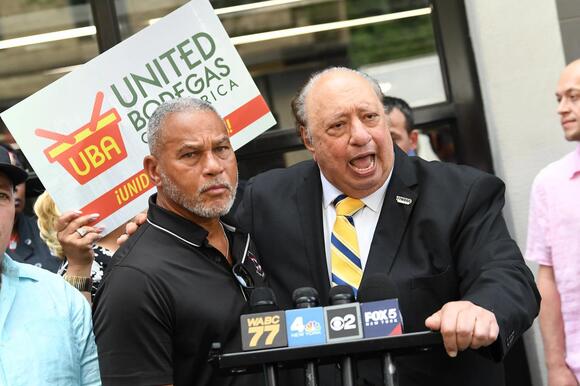
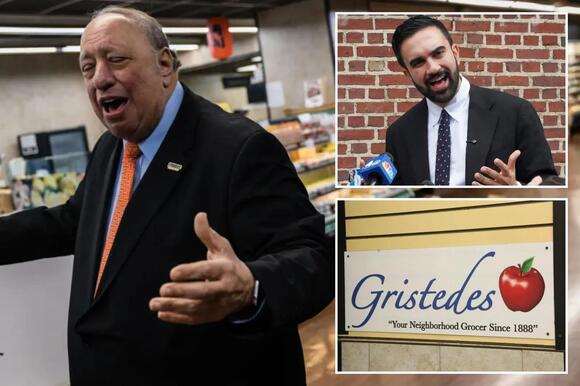
But for many bodega operators, this vision represents more of a threat than a solution. At a press conference held Monday outside a Gristedes supermarket in Midtown, members of the United Bodegas of America gathered to voice their opposition.

“Competing with the city having business is not going to be something that we can support,” said Radhames Rodriguez, president of the United Bodegas of America.

Rodriguez, who owns four bodegas in the Bronx and has been in the business for decades, painted a dire picture of what such a program might mean for him and others in the industry.

“Let’s say they sell a dozen eggs for $1 and the cost to us is $4 … that is going to destroy our business,” he said, emphasizing the impossibility of competing with a tax-exempt, rent-free operation.

This concern isn’t isolated. Fellow Bronx bodega owner Miguel Valerio, who employs 12 people, said he worries not only about the future of his business but about the livelihoods of those who depend on it.

“I don’t want to lose my job,” said Valerio, a father of two.

“The government doesn’t want to do the same thing I do every day. I wake up at 5:00, I go to sleep by 11:00 every day,” he added.

“What is going to happen to people running their business? I have 12 people working for me, that’s what I care about.”

While Mamdani promotes the idea as a way to ease the financial burden on consumers, business owners argue the model lacks balance. They say small businesses are already struggling under inflation, rent hikes, and taxes — and adding government-sponsored competitors into the mix could be catastrophic.

“You can’t force us to pay taxes and then be our adversary,” said Rafael Garcia, who runs La Economica Meat Choice store on University Avenue in the Bronx.

Garcia noted that a significant portion of his clientele relies on government-financed food programs like EBT or SNAP. With city stores potentially offering lower prices, he fears many of these customers would abandon neighborhood bodegas for subsidized groceries.

During a Monday appearance on the “Plain English” podcast with Derek Thompson, Mamdani responded to criticisms, framing the project as experimental.

“If it isn’t effective at a pilot level, it doesn’t deserve to be scaled up,” the Queens assemblyman explained.

Mamdani defended the proposal as a reaction to mounting complaints from constituents about rising grocery prices.

“There is a sticker shock that New Yorkers tell me about all the time,” he said.

“And the most obvious examples here are eggs and milk and bread that have been cited again and again.”

However, many in the business community remain unconvinced. Critics have labeled the plan as a misguided attempt at government intervention in the private market — drawing comparisons to failed socialist models from the past.

“Socialism hasn’t been successful anywhere in the world. Even China has turned to capitalism,” said Francisco Marte, president of the Bodega and Small Business Association.

“Come on, this is stupid.”

Some business leaders even questioned the fundamental competence of government in running such operations.

“City-owned supermarkets don’t work. Cities do not know how to run a business,” said John Catsimatidis, owner of the Gristedes chain and a longtime voice in the city’s retail food sector.

While the debate plays out in New York, it’s worth noting that the idea of municipal grocery stores isn’t new. Chicago’s progressive Mayor Brandon Johnson had floated a similar concept in response to the city’s “food deserts” — areas with limited access to fresh groceries. However, after private companies expressed interest in collaborating, Johnson hit pause on the municipal approach in favor of exploring public-private partnerships.

Elsewhere in America, especially in rural regions where supermarkets have vanished, city-run groceries have seen mixed results. In Baldwin, Florida — a town of just 1,400 — a government-run grocery opened in 2019 but closed in March after operating at a loss. Erie, Kansas, faced a similar outcome and eventually handed over operations to a private grocer while retaining city ownership of the building.

Still, Mamdani pointed to one municipal grocery success story. In St. Paul, Kansas — a town of 600 — a government-owned store has remained operational since 2013 after the local supermarket shut down. It’s the rare example of municipal intervention working under specific rural conditions — though whether that can translate to a dense and diverse city like New York remains uncertain.

As the conversation around Mamdani’s proposal grows louder, one thing is clear: while affordability remains a pressing issue for many New Yorkers, the path toward solving it is shaping up to be anything but straightforward. Small business owners say they are not opposed to solutions, but they want fairness — not competition from the very government that regulates and taxes them.

As Zohran Mamdani’s city-run grocery store proposal gains public attention, it opens a deep divide between affordability promises and small business survival. While the plan aims to ease rising food costs for New Yorkers, it simultaneously risks unsettling a fragile ecosystem of local bodegas that serve as lifelines in many neighborhoods. The debate now stands at a crossroads — one where economic justice meets entrepreneurial survival. Whether this pilot project becomes a progressive breakthrough or a miscalculated blow to the city’s corner stores remains a question only time, and voters, can answer.

Appreciating your time:

We appreciate you taking the time to read our most recent article! We appreciate your opinions and would be delighted to hear them. We value your opinions as we work hard to make improvements and deliver material that you find interesting.

Post a Comment:

In the space provided for comments below, please share your ideas, opinions, and suggestions. We can better understand your interests thanks to your input, which also guarantees that the material we offer will appeal to you. Get in Direct Contact with Us: Please use our “Contact Us” form if you would like to speak with us or if you have any special questions. We are open to questions, collaborations, and, of course, criticism. To fill out our contact form, click this link.

Stay Connected:

Don’t miss out on future updates and articles

Willie Nelson’s July Fourth Picnic Returns to Austin with Fireworks and Legends

Willie Nelson’s Fourth of July Picnic returns to Austin in 2025 with a dazzling blend of tradition, star power, and celebration. Set against the vibrant backdrop of Germania Insurance Amphitheater, this iconic event promises a day of live music, festive delights, and fireworks. With a headline act featuring Willie Nelson & Family, alongside Bob Dylan and others, the lineup is curated to charm both loyal fans and curious newcomers. From parking to performance, every detail is designed to stir excitement and mark Independence Day with unforgettable rhythm and sparkle.

STORY HIGHLIGHTS

  • Event: Willie Nelson’s Fourth of July Picnic & Fireworks

  • Date: July 4, 2025

  • Location: Germania Insurance Amphitheater, Austin, TX

  • Doors Open: 3 p.m. | Show Starts: 4 p.m.

  • Lineup: Willie Nelson & Family, Bob Dylan, The Avett Brothers, The Mavericks, Asleep At The Wheel, Tami Neilson

  • Parking: Free in Lots F & H; Paid upgrades in D & C with ADA access

  • Bag Policy: Small clutches and large clear bags only

  • Prohibited Items: Weapons, food, drink, fireworks, cameras, backpacks

  • Venue Policy: Entirely cashless – cards only

Austin is once again preparing to welcome an event deeply embedded in the cultural and musical identity of Texas—Willie Nelson’s Fourth of July Picnic. This legendary celebration, which first came to life in 1973, will return home on July 4, 2025, lighting up the Germania Insurance Amphitheater at Circuit of the Americas with music, fireworks, and thousands of fans ready to celebrate Independence Day with a Texas-sized soundtrack.

After traveling through several cities across the U.S. over the years, including stops in Tulsa, Syracuse, Atlanta, and even New Jersey last year, the Picnic is circling back to its roots. Though it doesn’t happen in Austin every single year, the city remains its spiritual and fan-favorite home—a place where Willie’s vision has always been embraced with open arms.

Star Power Under the Texas Sky

This year’s lineup is proof that Willie Nelson still knows how to throw a party that honors the past while celebrating the present. Willie Nelson & Family will close the show, as they always do, but not before the stage heats up with performances from Bob Dylan, The Avett Brothers, The Mavericks, Asleep At The Wheel, and Tami Neilson. The selection is a nod to Willie’s impeccable taste and long-standing ties to musicians who blend genres, push boundaries, and respect tradition.

Music begins at 4 p.m., but doors open at 3 p.m., giving fans plenty of time to soak in the atmosphere, sample food and drinks from local vendors, and find a perfect spot before the fireworks crown the night.

A Long Road Home for the Picnic

The origins of the Picnic go back to the 1972 Dripping Springs Reunion, a moment in country music history that inspired Willie to create a space where fans and artists could connect freely. The first official Picnic followed a year later at the same ranch in Dripping Springs and has since evolved into a symbol of musical independence and celebration.

Throughout the decades, the Picnic has hosted some of the biggest names in the business—Ray Price, Leon Russell, Billy Joe Shaver, and Johnny Bush, to name a few—while weaving in rising talents that mirror the evolution of Americana, country, and roots music. Despite its nomadic history, the spirit of the Picnic never wavered, and every time it returns to Texas, it feels like a family reunion.

Getting There: Parking, Transit, and Access

Attendees driving to the event will find standard parking in Lots F and H, which is included with admission. Those looking for a shorter walk to the gates can upgrade to Lot D or Lot C parking online, with ADA-accessible spaces available in all upgraded lots.

For fans arriving by shuttle, charter vehicle, or bus, a drop-off and pick-up zone is designated in the north cutout behind Lot C. Cyclists will find parking along the bridge near the Grand Plaza Box Office, just outside the main entrance. And if you’re using ride-share or taxi, Lot E is where you’ll need to go.

What You Can—and Can’t—Bring

Security at the Germania Insurance Amphitheater will enforce a strict bag and item policy. Only large storage bags, clear totes, and small clutch purses (4.5″ x 6.5″ x 2″) are permitted. Prohibited items include:

  • All backpacks, duffle bags, mesh bags, fanny packs, and reusable grocery totes

  • Weapons of any kind, even if you have a permit

  • Outside food or drink (except empty reusable bottles under 20oz)

  • Alcohol, illegal substances, or any drug-related paraphernalia

  • Recording equipment, drones, tripods, iPads, laptops, and tablets

  • Coolers, thermoses, signs on posts, and fireworks

Note on Payments: Credit Cards Only

Fans planning to grab food, merchandise, or parking upgrades on-site should be aware that the Germania Insurance Amphitheater is a fully cashless venue. Every point of sale—from concessions to the box office—only accepts credit or debit cards. No cash will be accepted.

As the fireworks light up the night sky this Independence Day, Austin will once again echo with the sounds of Willie Nelson’s guitar and the voices of thousands of fans. For those who’ve been there before, it’s a return to something cherished. For newcomers, it promises to be a memory they won’t forget.

As Austin prepares to welcome back Willie Nelson’s iconic Fourth of July Picnic, the stage is set for a day of timeless music, patriotic spirit, and unforgettable memories. With a lineup curated by Nelson himself and a carefully organized venue experience, the event blends tradition with festive energy. Whether you’re a longtime fan or a first-time attendee, this celebration promises more than just a concert—it offers a rare chance to witness a living legend unite music lovers under one sky. When the fireworks rise, so will the spirit of a truly American tradition.

Appreciating your time:

We appreciate you taking the time to read our most recent article! We appreciate your opinions and would be delighted to hear them. We value your opinions as we work hard to make improvements and deliver material that you find interesting.

Post a Comment:

In the space provided for comments below, please share your ideas, opinions, and suggestions. We can better understand your interests thanks to your input, which also guarantees that the material we offer will appeal to you. Get in Direct Contact with Us: Please use our “Contact Us” form if you would like to speak with us or if you have any special questions. We are open to questions, collaborations, and, of course, criticism. To fill out our contact form, click this link.

Stay Connected:

Don’t miss out on future updates and articles

Evacuation Heat in Gaza Grows While Trump Turns Up Ceasefire Pressure

In a dramatic turn across war-torn Gaza, Israel orders mass evacuations from northern regions, urging civilians to flee as military strikes intensify. Amid rising smoke and shattered homes, families are once again told to seek shelter in so-called “safe zones”—zones that have already witnessed deadly strikes. While death tolls climb and children perish, global voices call for calm. As Donald Trump presses for a hostage deal and ceasefire, uncertainty grips the region. Behind closed doors, diplomacy stirs, but on the ground, the silence is broken by fire.

STORY HIGHLIGHTS

  • Evacuation Orders Issued: Israel instructs residents of Gaza City and Jabalia to move to al-Mawasi as military actions expand.

  • Civilian Deaths: 86 Palestinians reported killed within 24 hours; airstrikes hit homes and aid tents.

  • Children Killed in “Safe Zone”: Three children from the Maarouf family died in a strike on al-Mawasi.

  • Hostage Negotiations: Trump says Netanyahu is currently negotiating a deal with Hamas.

  • Israeli Soldier Killed: Sergeant Yisrael Natan Rosenfeld dies during operations in northern Gaza.

  • Aid System Criticized: UN agencies call new Gaza aid delivery mechanism a “killing field.”

As Israel intensifies its military operations in northern Gaza, it has ordered residents of Gaza City and Jabalia to evacuate to the coastal area of al-Mawasi. The move comes ahead of what Israeli officials describe as an escalation of operations targeting Hamas infrastructure.

According to the Hamas-run health ministry, at least 86 Palestinians were killed within 24 hours before midday Sunday. The Israeli military’s renewed strikes have targeted multiple residential areas, with reports of homes destroyed and mounting casualties.

Among the victims were three children killed in an airstrike on al-Mawasi — a location previously designated by Israel as a “safe zone.” Their parents said the family had relocated there a month earlier following Israeli evacuation orders.

Meanwhile, former US President Donald Trump has called for a ceasefire deal and the release of hostages. He stated that Israeli Prime Minister Benjamin Netanyahu is currently engaged in negotiations with Hamas. Trump reiterated that reaching a deal in Gaza and securing the hostages’ return should be a priority.

Israeli military spokesman Avichay Adraee said the operation aims to eliminate terrorists and destroy their infrastructure. Residents and medics described a night of heavy bombardment in Gaza, with multiple homes flattened.

On Sunday, five members of the Maarouf family, including three children, were killed in an Israeli airstrike on a tent sheltering displaced people in al-Mawasi. Their mother, Iman Abu Maarouf, said the family had followed Israeli instructions to move there. “They bombed us while we were sleeping on the ground,” she said. Her husband confirmed they had arrived a month earlier seeking safety.

The Israel Defense Forces (IDF), when asked about the incident, told the BBC that it could not comment specifically without further details, but asserted that it follows international law and takes steps to avoid civilian harm.

Also on Sunday, the IDF confirmed the death of Sergeant Yisrael Natan Rosenfeld, a 20-year-old soldier, in northern Gaza. This comes as efforts intensify to reach a new ceasefire deal and facilitate the release of hostages held by Hamas.

Mediators, including Qatari officials, are reportedly increasing their efforts. A senior Hamas official said talks remain stalled but hopes have risen that U.S. pressure could lead to a breakthrough.

Netanyahu, speaking to domestic intelligence agency Shin Bet, emphasized the opportunity to rescue hostages and defeat Hamas. He also highlighted the broader regional openings created by what he described as “victory” over Iran.

Trump, who previously suggested a ceasefire could be achieved within a week, has called for ongoing corruption charges against Netanyahu to be dropped. He labeled the proceedings a “political witch hunt” that he says is delaying peace talks.

An Israeli court on Sunday granted Netanyahu a one-week delay in his testimony, citing diplomatic and security matters. The prime minister faces charges of bribery, fraud, and breach of trust — all of which he denies.

Criticism continues over the humanitarian situation in Gaza. In March, Israel imposed a total blockade on aid, later easing it after international pressure. The Gaza Humanitarian Foundation (GHF), a joint U.S.-Israeli initiative, was created amid accusations that Hamas was diverting aid — allegations Hamas denies.

UN officials, including Juliette Touma of Unrwa, condemned the new GHF-led aid distribution mechanism, calling it unsafe and ineffective. “It’s a killing field,” she said, asserting that aid should be distributed by UN and other humanitarian groups.

GHF leader Johnnie Moore responded by saying not all deaths can be attributed to proximity to GHF aid sites and disputed claims of responsibility.

The previous ceasefire between Israel and Hamas collapsed in March. Its second phase, which included a full withdrawal of Israeli forces from Gaza and a permanent truce, never materialized. Israel had resumed attacks to pressure Hamas into releasing hostages.

Israel’s campaign began following Hamas’s attack on October 7, 2023, which killed approximately 1,200 people and led to 251 hostage takings. Since then, the Hamas-run health ministry reports over 56,500 deaths in Gaza.

As Israel intensifies its military campaign and orders fresh evacuations in northern Gaza, the region teeters between conflict and negotiation. With rising civilian casualties and international concern mounting, former President Trump’s push for a ceasefire injects urgency into the diplomatic front. Yet, with “safe zones” proving deadly and talks still stalled, the future of Gaza remains caught in a dangerous tug-of-war—between bombs and bargaining tables. Whether this leads to resolution or deeper unrest now hinges on swift, concrete action beyond promises and public statements.

Appreciating your time:

We appreciate you taking the time to read our most recent article! We appreciate your opinions and would be delighted to hear them. We value your opinions as we work hard to make improvements and deliver material that you find interesting.

Post a Comment:

In the space provided for comments below, please share your ideas, opinions, and suggestions. We can better understand your interests thanks to your input, which also guarantees that the material we offer will appeal to you. Get in Direct Contact with Us: Please use our “Contact Us” form if you would like to speak with us or if you have any special questions. We are open to questions, collaborations, and, of course, criticism. To fill out our contact form, click this link.

Stay Connected:

Don’t miss out on future updates and articles