Staff Reporter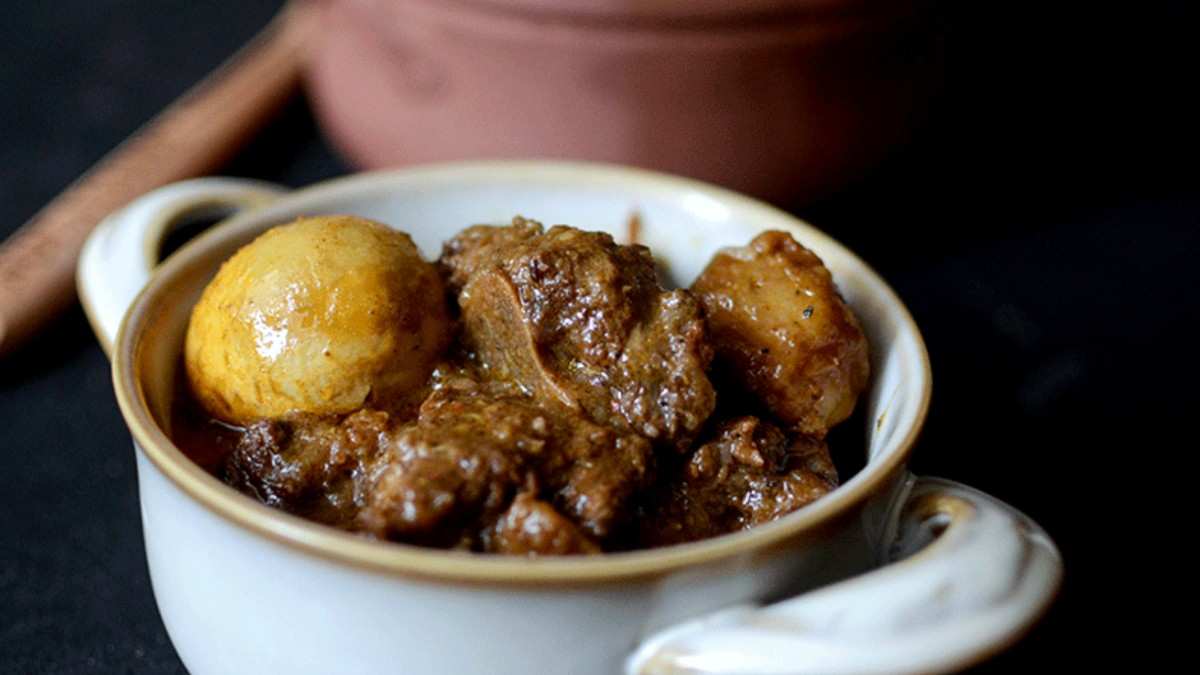
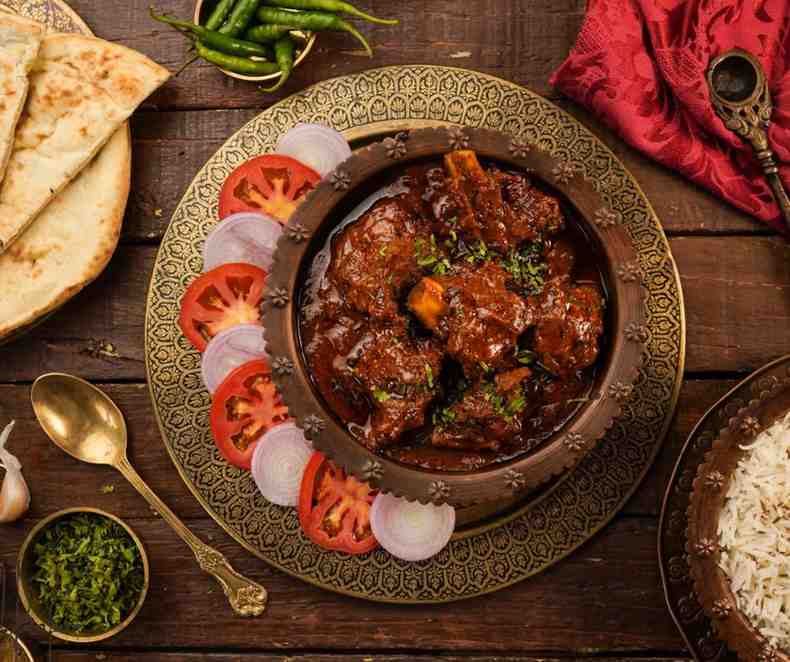
There are dishes that satiate hunger, and then there are dishes that narrate history. Mutton Dak Bungalow, a name steeped in sepia-toned nostalgia, belongs to the latter. This robust yet nuanced Anglo-Indian preparation is not merely a recipe; it is a historical manuscript served on a porcelain plate, simmering with tales of British officers, rural inspection houses, and an era when food was not just sustenance but solace on long and lonely postal routes.
A Journey Through Colonial Corridors
To understand the soul of Mutton Dak Bungalow, one must travel back to the 19th century when British officials traversed the vast Indian subcontinent along dusty roads, halting at humble government rest houses called Dak Bungalows. These wayfarer shelters offered little by way of luxury, yet in their kitchens resided culinary improvisation at its finest. With limited pantry essentials and no lavish provisions, the caretakers – often local khansamas – conjured dishes that were simple, hearty, and memorable.
Among these, the Dak Bungalow Curry emerged as a favorite—a slow-cooked lamb or goat preparation enriched with regional spices, enriched with potatoes and crowned with boiled eggs. What began as a dish of necessity has endured as a culinary heirloom, captivating modern gourmands who crave authenticity on their plates.
The Dish That Defines Colonial Nostalgia
The appeal of this dish lies not merely in its flavor but in its storytelling. Every spoonful evokes imagery of sprawling verandas, monsoon showers drumming on tin roofs, and officers exchanging correspondence over smoky lanterns, as the aroma of mustard oil and whole spices enveloped the dining hall.
Today, chefs and home cooks are resurrecting this relic with renewed fervor, and it deserves its place not just on heritage menus but in contemporary kitchens across the globe.
Recipe: Mutton Dak Bungalow – Heritage Preserved in Flavor
Serving Size: 4 persons
Cooking Duration: Approximately 90 minutes
Estimated Budget (New York Prices): $18–$20
Essential Ingredients – The Symphony of Simplicity
-
Mutton (goat or lamb): 500 g (approx. $12)
-
Mustard oil: 4 tbsp (for that distinctive Bengali touch)
-
Onions: 3 large, finely sliced
-
Tomatoes: 2 medium, chopped
-
Ginger-Garlic paste: 2 tbsp
-
Green chilies: 3, slit lengthwise
-
Dry red chilies: 3
-
Potatoes: 2, halved (an iconic inclusion)
-
Eggs: 2, hard-boiled (a colonial signature garnish)
-
Spices:
-
Turmeric – ½ tsp
-
Red chili powder – 1 tsp
-
Coriander powder – 1 tsp
-
Garam masala – ½ tsp
-
Bay leaf – 1
-
Whole spices – cinnamon (1 inch), cloves (2), cardamom (2)
-
-
Salt: to taste
-
Water: 2 cups
Method – A Culinary Chronicle in Stages
Step 1: Marination with Modesty
Coat the mutton with salt, turmeric, and a drizzle of mustard oil. Allow it to rest for at least 30 minutes. This pause is essential—akin to the deliberate slowness of telegrams once dispatched along the Dak route.
Step 2: Potatoes with Prestige
Heat mustard oil in a heavy-bottomed vessel. Fry the halved potatoes until they achieve a delicate golden hue, setting them aside for the grand finale.
Step 3: The Symphony of Spices
In the remaining oil, temper with bay leaf, cinnamon, cloves, and cardamom. Introduce sliced onions and sauté them patiently until they attain a deep caramelized tone reminiscent of old parchment maps.
Step 4: The Masala Movement
Blend in ginger-garlic paste, dry red chilies, and chopped tomatoes. Allow the mixture to cook till the oil gently separates—a sign of culinary alchemy in progress.
Step 5: The Mutton March
Add the marinated mutton, searing it on high heat until every piece is enrobed in spice and acquires a robust color.
Step 6: Simmering into History
Pour two cups of water, reduce the flame, and let the meat simmer under a covered lid for approximately 45 minutes. Alternatively, modern cooks may resort to the efficiency of a pressure cooker without compromising integrity.
Step 7: The Final Flourish
Reintroduce the fried potatoes, sprinkle garam masala, and allow the gravy to thicken into a velvety consistency. Garnish with halved boiled eggs—a vestige of colonial opulence.
Serve this aromatic creation with steaming white rice or crisp rotis, allowing the flavors to unfold unhurriedly on the palate.
Flavor Profile – A Dance of Bold and Subtle
What distinguishes Mutton Dak Bungalow is its unpretentious yet regal character. The mustard oil imparts a sharp, smoky undertone; the whole spices contribute layers of complexity; and the inclusion of potatoes and eggs adds a rustic yet luxurious charm. It is a dish that bridges two worlds—British reserve and Indian exuberance—on a single plate.
Budget Analysis – Heritage at Home
-
Mutton (500 g): $12
-
Spices and Mustard Oil: $3
-
Vegetables & Eggs: $2
-
Miscellaneous (fuel, garnish): $1
Total: Approximately $18 for a family of four—considerably economical compared to the $35–$40 charged at high-end Indian establishments in Manhattan.
Where to Relish It Beyond Your Kitchen
For those unwilling to don the chef’s hat, select culinary destinations still honor this dish:
-
In Kolkata: Heritage clubs such as Calcutta Club and elite eateries like Oh! Calcutta retain it on their curated menus.
-
In New York: While rare, fine dining venues such as Indian Accent NYC occasionally revive this Anglo-Indian marvel as a seasonal special.
An Experiential Itinerary for the Curious Traveler
For epicureans who wish to indulge in an authentic setting, the Indian subcontinent offers heritage stays at restored Dak Bungalows. Nestled amidst tea gardens of Assam or riverine landscapes of Bengal, these establishments—priced between $45 and $70 per night—extend more than hospitality; they offer an immersion into history. Complement the culinary experience with colonial architecture tours, vintage carriage rides, and curated heritage walks. For a true Anglo-Indian indulgence, pair the curry with a glass of Old Monk Rum, echoing the convivial evenings of the Raj era.
Why Is Mutton Dak Bungalow Relevant Today?
In an age where culinary trends oscillate between minimalism and molecular gastronomy, the revival of heritage recipes signifies a collective yearning for authenticity. Mutton Dak Bungalow embodies this ethos—a dish devoid of artifice, yet laden with cultural gravitas.
Mutton Dak Bungalow is more than a dish—it is a living fragment of history, echoing tales of colonial travel, rustic kitchens, and culinary ingenuity born out of scarcity. Today, it stands as an emblem of heritage cuisine, balancing simplicity with sophistication. Preparing this dish at home is not merely cooking; it is re-enacting a cultural memory on your dining table. Whether you savor it in an authentic Dak Bungalow in Bengal or recreate it in a modern New York kitchen, the experience remains immersive, nostalgic, and profoundly satisfying.
Appreciating your time:
We appreciate you taking the time to read our most recent article! We appreciate your opinions and would be delighted to hear them. We value your opinions as we work hard to make improvements and deliver material that you find interesting.
Post a Comment:
In the space provided for comments below, please share your ideas, opinions, and suggestions. We can better understand your interests thanks to your input, which also guarantees that the material we offer will appeal to you. Get in Direct Contact with Us: Please use our “Contact Us” form if you would like to speak with us or if you have any special questions. We are open to questions, collaborations, and, of course, criticism. To fill out our contact form, click this link.
Stay Connected:
Don’t miss out on future updates and articles.