Staff Reporter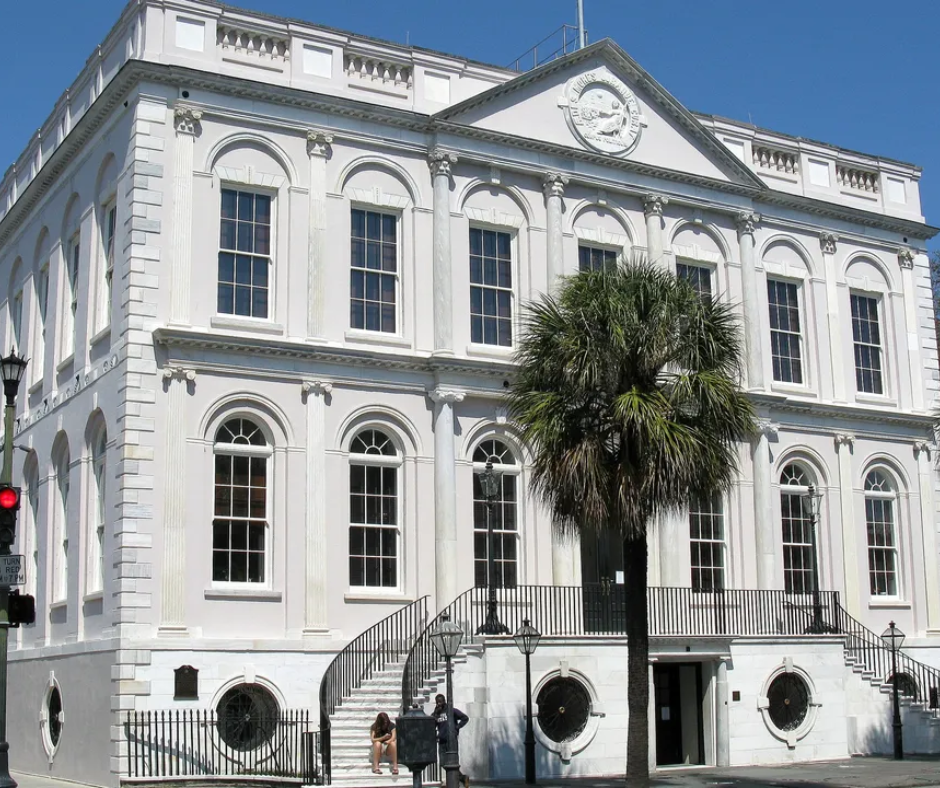
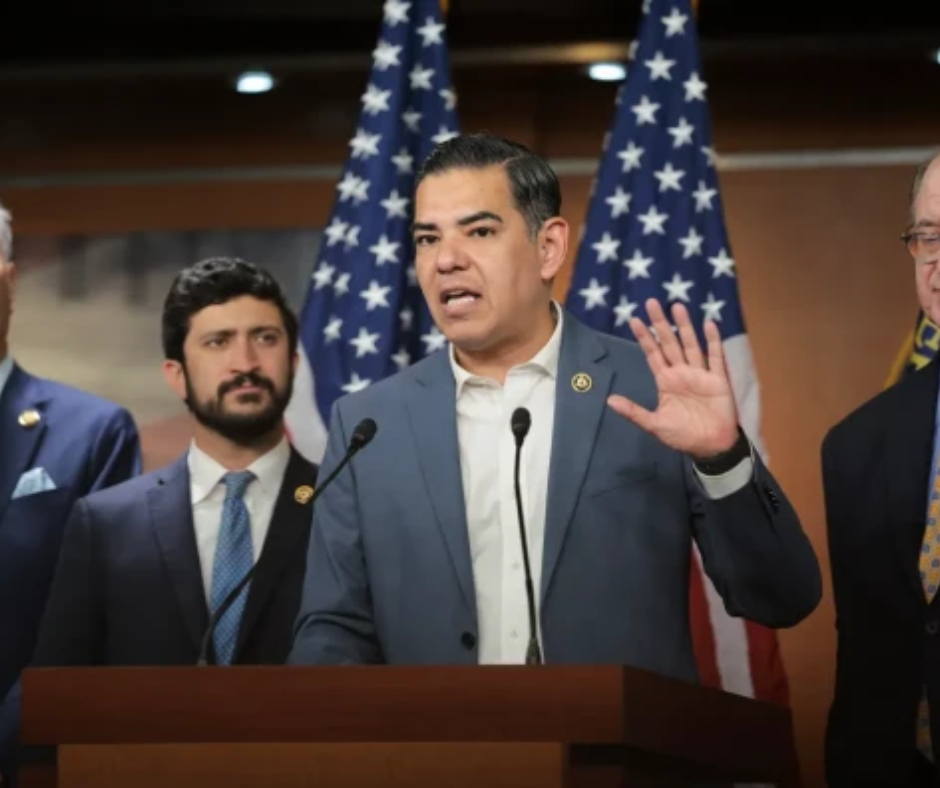
A fiery debate erupted at the Chicago City Council this week as four alderpersons voted against a resolution offering a formal apology to Black residents for America’s history of slavery, segregation, and systemic racial inequities. The resolution, sponsored by 4th Ward Alderman Lamont Robinson, ultimately passed 43-4, but not without generating intense emotions and sharp words during a marathon Thursday session.
Story Highlights:
-
Chicago City Council approves apology resolution to Black residents 43-4.
-
Alds. Raymond Lopez, Nick Sposato, Anthony Napolitano, and James Gardiner vote “no.”
-
Resolution recognizes historical slavery, segregation, housing discrimination, and ongoing racial inequities.
-
Debate reflects broader national controversies on diversity and acknowledgment of slavery’s legacy.
-
Mayor Brandon Johnson previously issued a citywide apology and created a reparations task force.
Robinson, who sponsored the measure, directly confronted the dissenting alderpersons during the meeting.
“Shame on you!” Robinson shouted after Lopez, Sposato, and Napolitano announced their opposition.
“You have to be able to share with your constituents—your Black constituents in all 50 wards—why you would say no to this resolution. Shame on you!” he added, his voice echoing through the chambers.
The four alderpersons who voted against the resolution drew immediate backlash from colleagues who were stunned by the opposition.
“I was hoping this would be a unanimous vote—of all the things we can unanimously support,” said 49th Ward Ald. Maria Hadden, who is Black. “This is a surprising, shocking, appalling piece.”
Gardiner, representing the Northwest Side, offered no public explanation for his vote. Napolitano said he voted no because he believed that the city has experienced “just as much harm over the last couple of years” as in the past.
Sposato, a known supporter of former President Trump, said he refused to accept responsibility for historical wrongs.
“There’s a lot of blame to go around, but certainly not the city of Chicago, certainly not my family,” Sposato said.
“I apologize to absolutely nobody. I want my name off there. I do not want to be associated with this.”
Lopez, representing the Southwest Side, justified his no vote by pointing out that Chicago’s economy was never slave-driven and that the city historically welcomed freed men and women escaping Southern slavery.
“If we want to talk about the injustices to the Black community, I want to talk about where we have failed,” Lopez said. “We don’t have to look that far back. Let’s focus on present issues instead of constantly looking backward.”
Hadden acknowledged Lopez’s point but stressed that the wealth and power structures in Chicago were deeply tied to systems that historically marginalized Black residents.
“The money that built this city and controlled the power did come at the expense of Black Chicagoans,” she said.
Hadden further criticized the arguments against the resolution, linking them to national trends in Washington D.C. aimed at minimizing recognition of slavery and racial inequities.
“Those who would accuse us of going backward by recognizing fact and truth—I challenge that sentiment,” Hadden said. “Recognition and apology are part of repair, which are necessary to move forward.”
The resolution details the historical context of slavery and racial oppression in the Midwest. It notes that slavery was introduced by French explorers in the mid-1700s and that Illinois, while designated a “free” state in 1818, enacted laws that restricted the freedoms of Black residents, including denying voting rights.
Even after the abolition of slavery in 1865, Black Chicagoans faced systemic discrimination through redlining, segregation, housing inequities, and other structural barriers—issues that the resolution states persist today.
Chicago Mayor Brandon Johnson previously issued a formal citywide apology to Black residents through an executive order and established a task force to study potential economic reparations. Neighboring Evanston has already implemented the country’s first reparations program, setting a precedent in addressing historical injustices.
The debate over the apology resolution highlights the continued national and local struggle over how best to recognize and repair the legacy of slavery and systemic racism. While the measure passed overwhelmingly, the dissenting votes by Lopez, Sposato, Napolitano, and Gardiner underscore lingering divisions within the Chicago City Council on racial equity issues.
Appreciating your time:
We appreciate you taking the time to read our most recent article! We appreciate your opinions and would be delighted to hear them. We value your opinions as we work hard to make improvements and deliver material that you find interesting.
Post a Comment:
In the space provided for comments below, please share your ideas, opinions, and suggestions. We can better understand your interests thanks to your input, which also guarantees that the material we offer will appeal to you. Get in Direct Contact with Us: Please use our “Contact Us” form if you would like to speak with us or if you have any special questions. We are open to questions, collaborations, and, of course, criticism. To fill out our contact form, click this link.
Stay Connected:
Don’t miss out on future updates and articles.